
Review joints and brick condition together
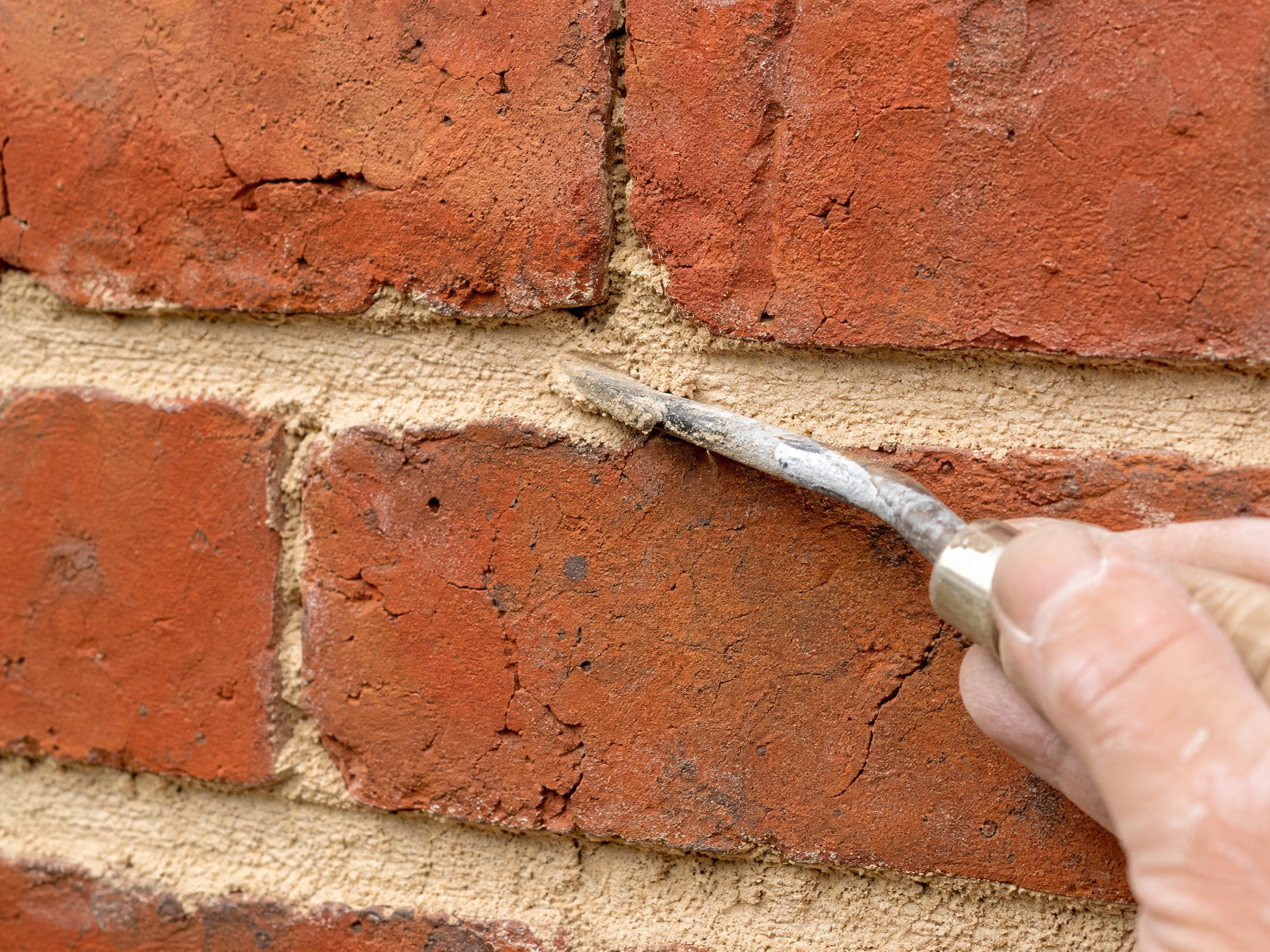
The pointing approach considers existing mortar, joint depth, finish and the need to avoid unnecessary disturbance to surrounding masonry.
Shropshire lime pointing and brick repair
Specialist lime pointing and brick repair for listed and historic buildings across Shropshire, planned around existing fabric, compatible materials and project-team coordination.
Discuss a Shropshire projectShropshire projects can involve sensitive historic streets, estate buildings and older masonry where a repair-led scope should be proportionate to the affected fabric.
For Shropshire schemes, combining lime pointing and brick repair helps keep the discussion focused on what should be retained, what needs local attention and how the finished repair should be reviewed.
Grade 2 Listed Pointing treats lime pointing and brick repair as connected masonry decisions. The aim is to understand the existing wall, retain sound fabric, repair the areas that need attention and agree a finish that sits appropriately with the building and the wider project team’s requirements.
Process considerations
The pointing approach considers existing mortar, joint depth, finish and the need to avoid unnecessary disturbance to surrounding masonry.
Brick repair is considered where face loss, cracking, spalling or earlier repairs affect the appearance or durability of the wall.
Photographs, survey notes, samples and access constraints can all help the project team agree a clear, proportionate repair package.
For project teams
Frequently asked questions
The contractor contribution is practical and project-focused. Consent decisions, legal matters and formal heritage advice remain with the appropriate authority and appointed professionals.
Yes. Grade 2 Listed Pointing covers Shropshire for defined listed and historic masonry scopes, including combined lime pointing and local brick repair packages where the building, access and project context are suitable.
The condition of mortar joints and the condition of adjacent bricks are closely connected. Considering them together helps the project team avoid repairing one element in a way that undermines the other or produces an inconsistent finish.
Often, yes. A repair-led scope may focus on failed joints, damaged units or vulnerable details while retaining sound historic fabric. The appropriate extent depends on the wall condition and agreed project objective.
A sample panel can be useful where the team needs to review mortar colour, aggregate character, joint profile, workmanship or repaired brick appearance before wider work proceeds. It is not automatically required for every project.
The relevant local planning authority confirms whether consent is required for the specific proposal. A specialist contractor can provide practical information about materials, sequencing and samples, but does not replace statutory or professional advice.
Project case-study evidence
The currently published case study is based in Knutsford, Cheshire. It is included as a transparent example of the repair-led process and documented outcome, not as a claim that the work took place in Shropshire.
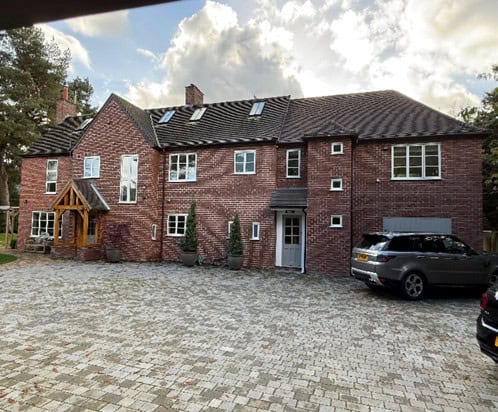
A front-elevation restoration that brought visual coherence back to historic brickwork through a carefully sequenced combination of cleaning, colour matching and repointing.
View detailed case studyFuture Shropshire project packs
Shropshire service-area enquiry
Start a concise local enquiry. The brief will pre-select Shropshire and combined lime pointing and brick repair; simply add the building location, current condition and project context.
Related information
Return to the wider regional service-area page.
ExploreRead the core service process and project information requirements.
ExploreExplore the repair-led approach to historic brick fabric.
ExploreReview the condition questions to resolve before repair is specified.
ExplorePlan sample review, approval and site records.
Explore