
Define the repair basis
The affected elevation, existing construction, known defects and desired outcome provide a better starting point than a broad description of ‘repointing’.
Staffordshire service coverage
Grade 2 Listed Pointing provides repointing in Staffordshire for listed and historic buildings. We assess failed mortar joints, surrounding masonry and previous repairs before discussing a compatible work package with owners and appointed project teams. Send the building location, wall photographs and available survey or consent information to start the discussion.
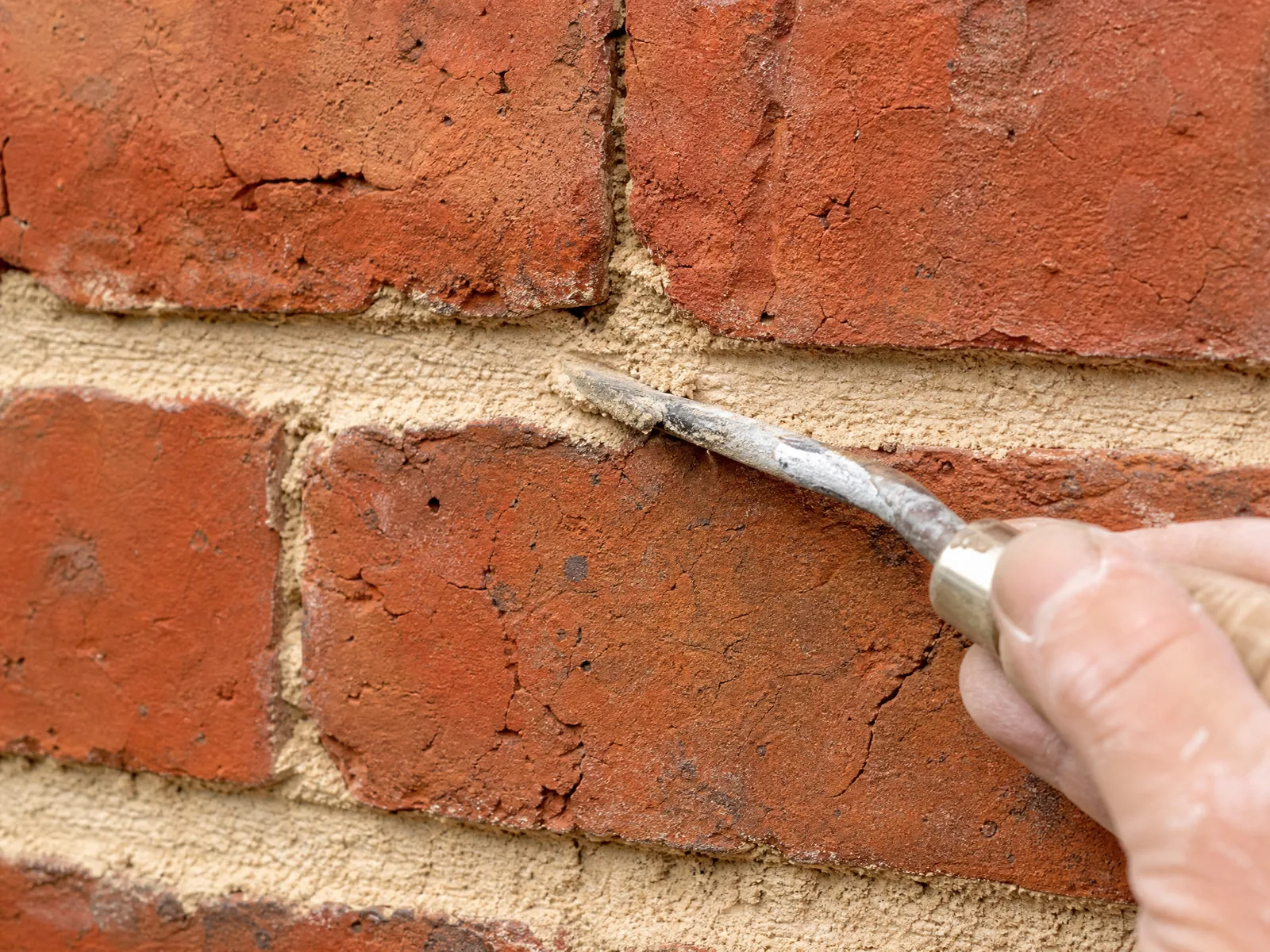
Discuss a Staffordshire projectIllustrative historic masonry image — not a photograph of a verified Staffordshire project.
Coverage includes Stoke-on-Trent alongside the established Staffordshire locations below; it does not indicate a local branch. Defined repointing, local brick repair and wider masonry interfaces are considered in relation to the individual building, access and professional brief rather than a county-wide formula.
Listed-building repointing: national service informationHistoric England advises retaining sound historic mortar and says comprehensive repointing is rarely necessary. Loose or failed joints are assessment prompts, but apparently soft mortar need not be defective. Previous cement patches, rainwater faults and adjacent brick damage should be reviewed before deciding how much intervention is justified.
The original appropriate mortar, masonry condition, joint finish and exposure guide compatibility. Samples can make material and finish decisions easier to review; listing alone does not specify one lime type. Where damaged bricks and failed joints need a coordinated sequence, use the dedicated Staffordshire combined-service page rather than assuming joint renewal solves every defect.
The County Council’s guidance directs owners to the relevant local Conservation Officer. District or borough authorities handle their own planning routes; Stoke-on-Trent has a city authority. Stafford Borough’s appraisals and Article 4 information for Stone, Eccleshall and Burton Manor Village illustrate the need to check designation and controls for the actual property, not apply one permission rule across the county.
In England, repointing may require listed-building consent where it affects special character. Genuine like-for-like repairs may be treated differently, but extent, materials and finish matter. Obtain property-specific advice before work starts; contractor scope information does not decide the statutory position.
Stoke-on-Trent’s Historic Environment Record includes standing buildings, canals and canal bridges and is strongly shaped by pottery-industry sites. Historic England’s Spode Potteries example concerns Stoke Town and its Grade II heritage. These are contextual references, not our clients or completed projects. The city child page focuses on the actual site, surviving fabric and commercial enquiry needs.
Identify occupied uses, affected elevations, access arrangements, weather protection and interfaces with cleaning, roof or rainwater work. Bring any schedule, drawings or appointed-adviser requirements. Sample review, retained areas and completion records can then be discussed as part of a defined contractor workstream, without promising a remote diagnosis or fixed duration.
A project-team workstream
The affected elevation, existing construction, known defects and desired outcome provide a better starting point than a broad description of ‘repointing’.
Masonry work is coordinated with access, weather protection, local repair, cleaning and other site interfaces where those are within the agreed scope.
Sample panels can give the team a practical reference for mortar colour, aggregate character, joint profile and finish.
Masonry scopes we discuss
Project case-study evidence
The currently published case study is based in Knutsford, Cheshire. It is included as a transparent example of the repair-led process and documented outcome, not as a claim that the work took place in Staffordshire.
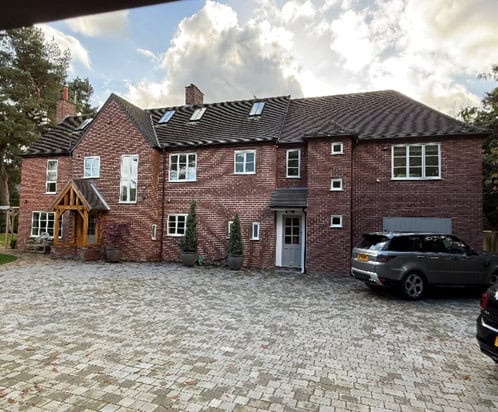
A front-elevation restoration that brought visual coherence back to historic brickwork through a carefully sequenced combination of cleaning, colour matching and repointing.
View detailed case studyFuture Staffordshire project packs
Frequently asked questions
The contractor contribution is practical and project-focused. Consent decisions, legal matters and formal heritage advice remain with the appropriate authority and appointed professionals.
Yes. We work alongside the appointed project team on the defined masonry package, contributing practical information about materials, sequencing, samples, access and delivery.
A listed designation is not a complete material specification. The existing construction, mortar, masonry condition, exposure and approved repair objective should be assessed in context.
Photographs of the affected masonry, building location, any survey or design information, access constraints, likely programme and known consent context all help establish a useful starting point.
Independent context, not authority endorsement. Check the individual property and proposal before work starts.
Share the building, location, scope and available project information for a specialist initial discussion.
Related information
Understand the material-aware service approach.
ExploreUse the project-team checklist before work begins.
ExploreSee the contractor delivery boundary for complex repairs.
ExplorePractical contractor information for your appointed advisers; not a statutory approval service.
ExploreA concise answer
Grade 2 Listed Pointing provides repointing in Staffordshire for listed and historic buildings. We assess failed mortar joints, surrounding masonry and previous repairs before discussing a compatible work package with owners and appointed project teams. Send the building location, wall photographs and available survey or consent information to start the discussion. Coverage includes Stoke-on-Trent alongside the established Staffordshire locations below; it does not indicate a local branch. Defined repointing, local brick repair and wider masonry interfaces are considered in relation to the individual building, access and professional brief rather than a county-wide formula.