
Understand the cause
Deterioration can be related to moisture, weathering, failed joints, movement, earlier repairs or other building defects. The repair scope needs to consider the observed condition in context.
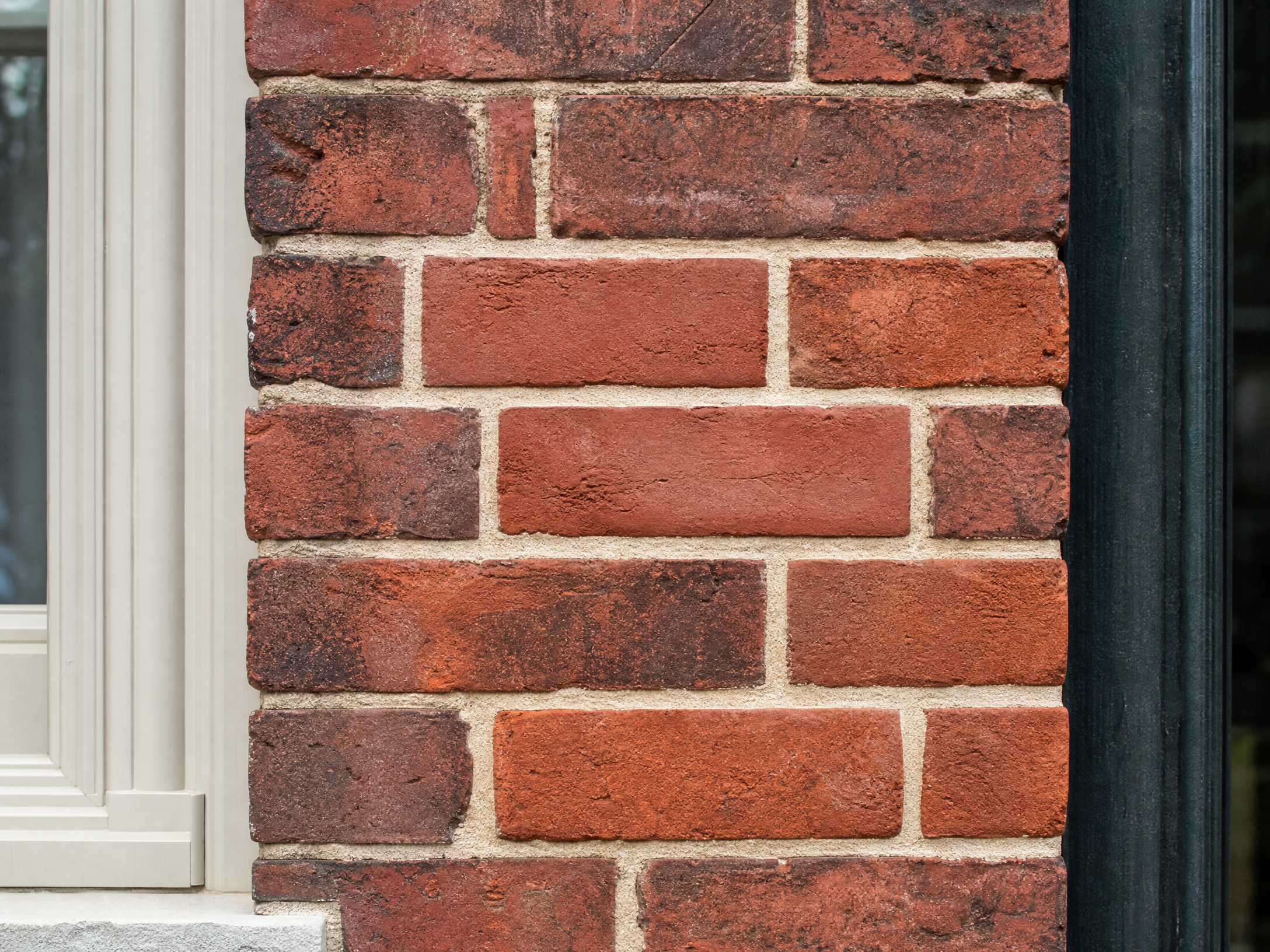
Historic brick fabric repair
Condition-led brick repair for listed and historic buildings, covering localised damage, compatible repair methods, matching, associated pointing and coordinated delivery.
Discuss the proposed scopeHistoric brickwork can show erosion, local spalling, cracking, face loss and the effects of previous interventions without every unit needing replacement. A sensible brick repair scope distinguishes sound fabric from the areas that need local attention, then considers how the proposed repair will sit within the wider elevation.
Grade 2 Listed Pointing supports commercial and professional project teams with defined brick repair work that can be coordinated with pointing, cleaning and access planning. The emphasis is on an appropriate intervention, compatible materials and a documented outcome rather than a uniform new appearance.
How the work is approached
Deterioration can be related to moisture, weathering, failed joints, movement, earlier repairs or other building defects. The repair scope needs to consider the observed condition in context.
The starting point is to keep sound historic fabric wherever possible and focus intervention on the parts that genuinely need repair or separately justified replacement.
Where repair materials or replacement units are proposed, their colour, texture, dimensions, finish and relationship to adjacent mortar should be reviewed against the existing elevation.
Brick repair, joint work, cleaning, rainwater management and access are coordinated so that the wider workstream supports the agreed repair objective.
For project teams
Frequently asked questions
Consent requirements and formal heritage advice should be confirmed with the relevant authority and appointed project advisers.
Where the condition allows, local repair can retain more of the original fabric. The appropriate option depends on the individual unit, the cause of deterioration and the agreed repair objective.
Selection is project-specific and considers dimensions, colour, texture, finish and the context of the surrounding elevation. Samples or comparison areas can help the team review a proposed match.
The sequence depends on the condition and agreed work detail. Brick repair and pointing should be planned together so that joints, repair materials and finished appearance work as a coordinated scope.
A useful starting point is clear photography of the affected unit and the wider elevation, together with available survey information and any known causes such as rainwater defects, movement or earlier repair. This helps the team distinguish local damage from a wider building issue.
Opening up or preparing an area can reveal condition that was not visible at the outset. The appropriate response is to record the finding, review it against the agreed scope and involve the relevant project team members before extending the work.
The intended appearance should be agreed in context. Materials, texture, finish and adjacent joints can be reviewed through samples or retained comparison areas, but historic variation means a repair should be assessed as part of the wider elevation rather than judged in isolation.
Related information
Explore the broader repair-led masonry service.
ExploreSee how joint repair can be coordinated with historic brickwork.
ExploreReview the condition questions to resolve before repair is specified.
ExploreView recorded brick repair, crack-stitching and repointing work in Chelford.
Explore