
Review before intervention
We begin with the affected masonry, existing mortar, joint profile, exposure and wider project information rather than assuming that a full elevation needs the same treatment.
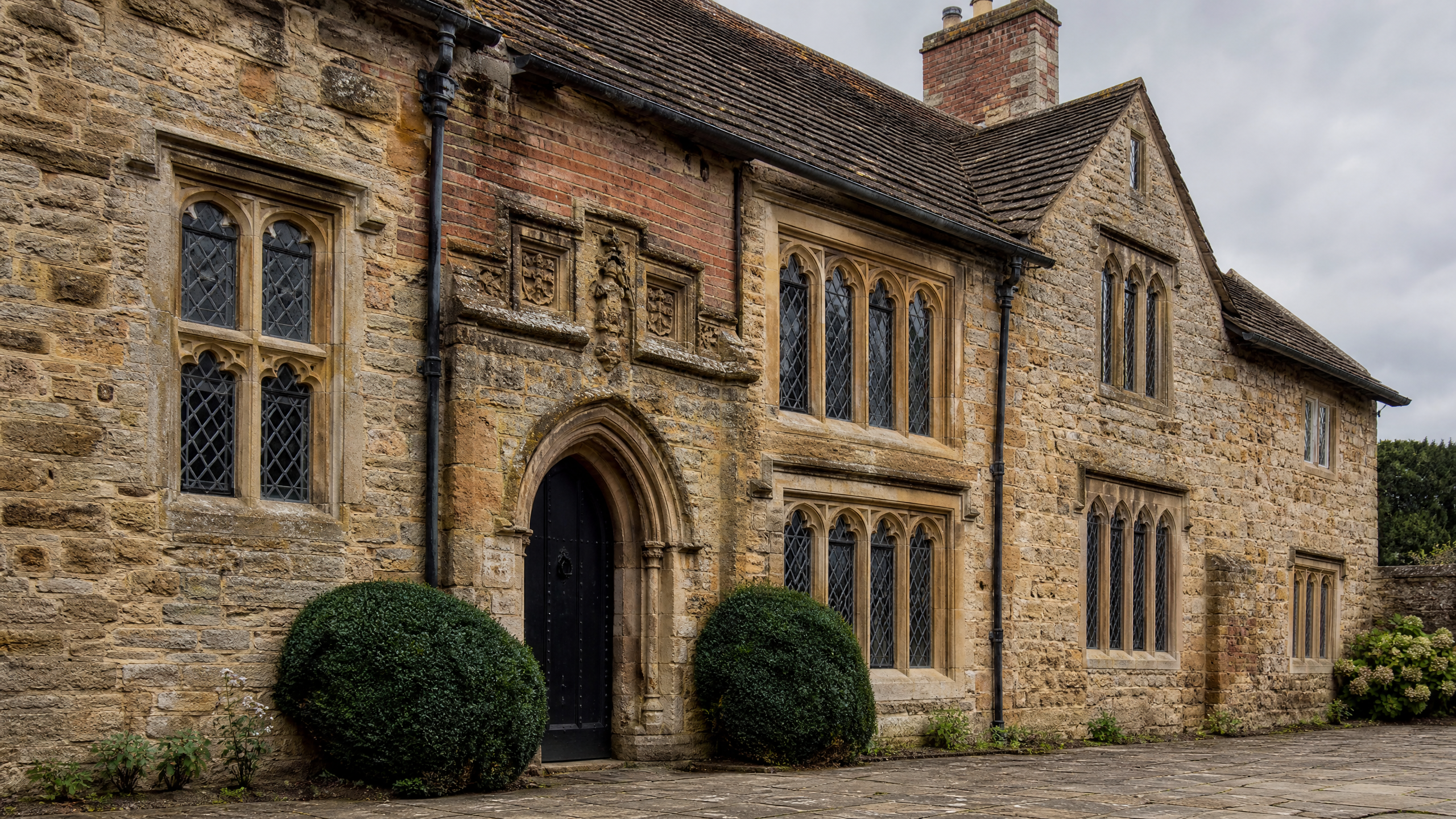
Specialist listed-building masonry
Commercial lime mortar repointing for Grade II listed and historic buildings, with a repair-led approach to existing masonry, compatible materials and project-team coordination.
Discuss the proposed scopeGrade II is the most common statutory listing category in England, but the designation does not make masonry work routine. The significance of the building, the condition of the existing joints, the material of the wall and the proposed finish all affect how a repointing scope should be approached.
Grade 2 Listed Pointing works with commercial project teams to define and deliver considered repointing work. The aim is to retain sound historic fabric, address failed or unsuitable joints where required, and use a compatible mortar and finish that sit appropriately with the existing elevation.
How the work is approached
We begin with the affected masonry, existing mortar, joint profile, exposure and wider project information rather than assuming that a full elevation needs the same treatment.
Material selection, aggregate character and joint finish are considered in relation to the existing building and the agreed repair objective.
Where needed, practical scope information and trial panels can help architects, advisers, clients and delivery teams review the proposed approach.
Access, sequencing, adjacent repairs and site records are coordinated around the defined masonry package.
For project teams
Frequently asked questions
Consent requirements and formal heritage advice should be confirmed with the relevant authority and appointed project advisers.
Not necessarily. The answer depends on the building, the affected fabric and how work is proposed. The relevant local planning authority should confirm whether consent is required before work starts.
A sample panel can help the project team review proposed mortar colour, texture, joint profile and overall finish in context. Whether one is needed depends on the scope and approval route.
Often, repair-led scopes focus on the areas that need attention while retaining sound historic mortar. The appropriate extent should follow an assessment of the specific elevation.
Related information