
A proportionate repair scope
Sound historic mortar and masonry should not be disturbed unnecessarily; the scope is shaped around condition and the intended outcome.
Merseyside service coverage
Grade 2 Listed Pointing provides repointing in Merseyside for listed and historic buildings, including commercial and professionally led masonry packages. We discuss failed joints, retained fabric, compatible mortar and the repair extent with owners, architects, surveyors and contractors. Send the address, photographs and existing project documents to discuss suitability.
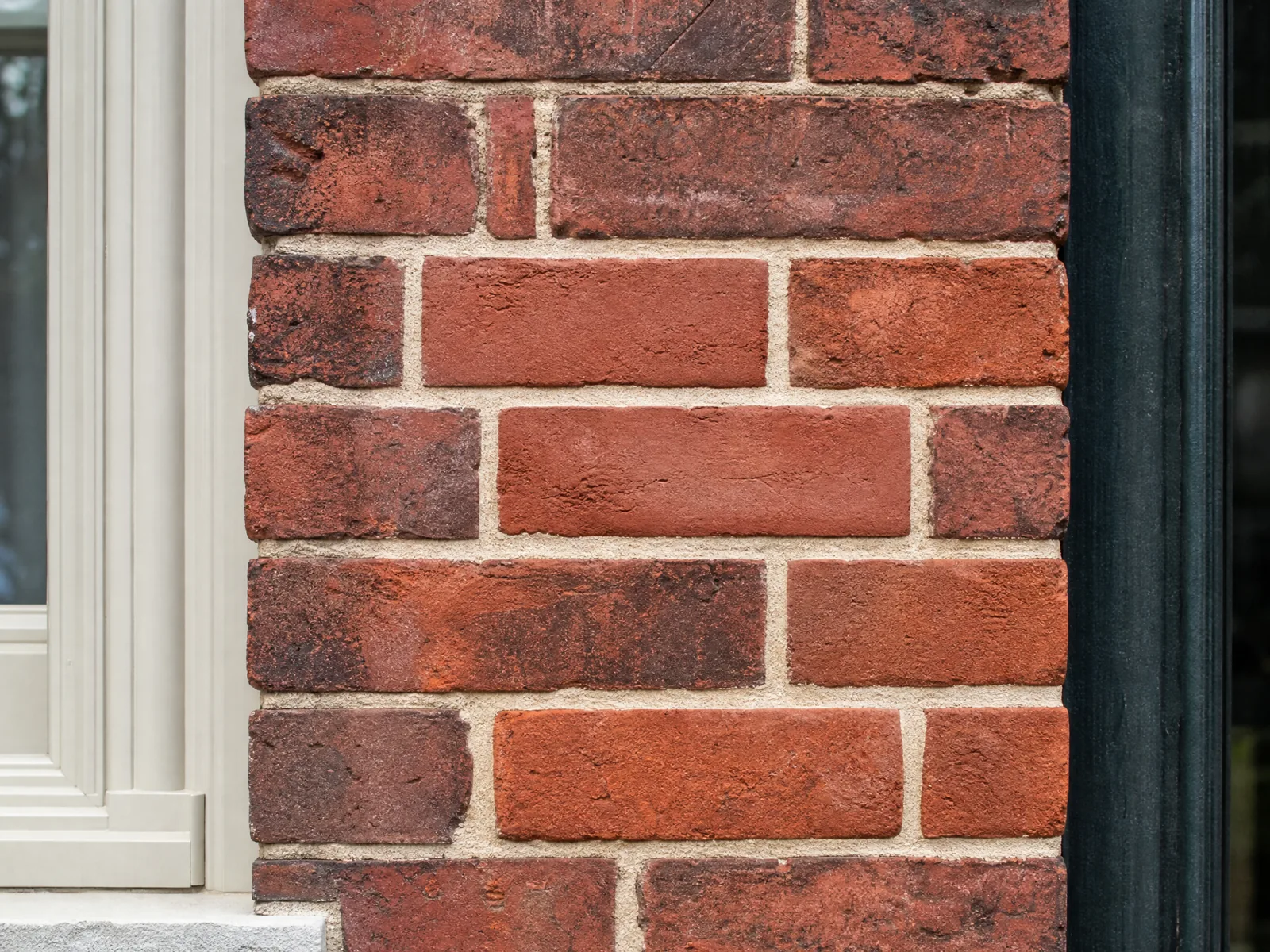
Discuss a Merseyside projectIllustrative historic masonry image — not a photograph of a verified Merseyside project.
Liverpool, Wirral and the wider coverage examples below describe the service area, not separate offices. Repointing renews mortar at the exposed face of existing joints; local brick or stone repairs may be related tasks but need their own condition-led decisions. Formal consent and heritage advice remain with the authority and appointed advisers.
Listed-building repointing: national service informationLiverpool Council identifies conservation areas including Albert Dock, Canning Street, Duke Street and Stanley Dock. Historic England’s historical Stanley Dock study describes red brick with sandstone and granite elements. Across the Mersey, Wirral Council describes Port Sunlight’s planned garden-village heritage. These contrasting settings support a building-specific brief, not a uniform regional mortar specification or a claim that we have worked on the named sites.
Sound historic joints should be retained. SPAB cautions that softness alone is not a reason to repoint, and irregular weathering may support local rather than comprehensive repairs. Assess appropriate surviving mortar, joint profile, adjacent units and exposure; trial panels can help compare finish. Removal of hard cement is not automatic and should depend on trials showing that further damage can be avoided.
Liverpool’s listed-building guidance concerns work affecting special architectural or historic character; its conservation map also flags possible Article 4 controls. Wirral’s Port Sunlight guidance describes a Local Listed Building Consent Order, but its applicability and conditions must be checked for the exact proposal. It is not a general repointing exemption. Other Merseyside addresses need their own relevant local planning authority.
Listing, conservation-area designation and planning controls are different checks. Confirm requirements before work, including any material or sample conditions. We can discuss contractor information for the appointed team, not promise consent, council endorsement or formal planning advice.
Useful enquiry information includes the elevations and phases, occupied uses, scaffold or access restrictions, neighbouring/public interfaces and programme. Discuss cleaning, rainwater-goods and structural-work boundaries alongside material samples and protection against rain, frost and rapid drying. Repointing alone is not a guaranteed solution to moisture symptoms or movement.
A project-team workstream
Sound historic mortar and masonry should not be disturbed unnecessarily; the scope is shaped around condition and the intended outcome.
Photography, trial panels and agreed material references can make the proposed result clear to the client and professional team.
The relationship between repair, repointing, cleaning and access is considered before work is mobilised.
Masonry scopes we discuss
Project case-study evidence
The currently published case study is based in Knutsford, Cheshire. It is included as a transparent example of the repair-led process and documented outcome, not as a claim that the work took place in Merseyside.
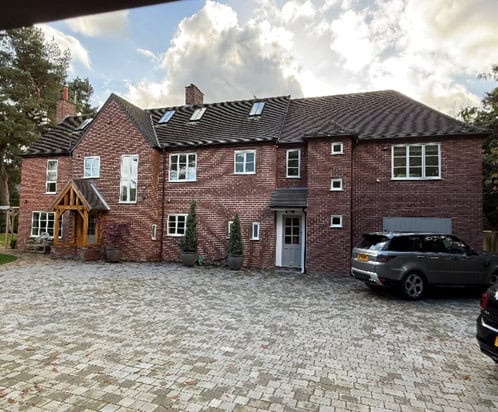
A front-elevation restoration that brought visual coherence back to historic brickwork through a carefully sequenced combination of cleaning, colour matching and repointing.
View detailed case studyFuture Merseyside project packs
Frequently asked questions
The contractor contribution is practical and project-focused. Consent decisions, legal matters and formal heritage advice remain with the appropriate authority and appointed professionals.
Yes. We cover Merseyside, including Liverpool and the wider area, for specialist listed and historic masonry packages. The enquiry should include the location, building context and current information available.
Yes. Local fabric repair, joints, cleaning and finishing are often interrelated. The agreed sequence should allow each element to support the overall repair outcome.
We can provide practical contractor information, but the relevant local planning authority determines whether consent is required and appointed advisers provide formal heritage or planning advice.
Independent context, not authority endorsement. Check the individual property and proposal before work starts.
Share the building, location, scope and available project information for a specialist initial discussion.
Related information
Explore repair-led treatment of historic fabric.
ExploreRead the condition-led approach before removal is specified.
ExploreUnderstand the questions to raise before work starts.
ExplorePractical contractor information for your appointed advisers; not a statutory approval service.
ExploreA concise answer
Grade 2 Listed Pointing provides repointing in Merseyside for listed and historic buildings, including commercial and professionally led masonry packages. We discuss failed joints, retained fabric, compatible mortar and the repair extent with owners, architects, surveyors and contractors. Send the address, photographs and existing project documents to discuss suitability. Liverpool, Wirral and the wider coverage examples below describe the service area, not separate offices. Repointing renews mortar at the exposed face of existing joints; local brick or stone repairs may be related tasks but need their own condition-led decisions. Formal consent and heritage advice remain with the authority and appointed advisers.