
Liverpool · Merseyside service coverage
Repointing in Liverpool for Listed and Historic Buildings
Grade 2 Listed Pointing provides repointing in Liverpool for listed and historic buildings within its Merseyside coverage. We discuss defined commercial masonry packages with owners, surveyors, architects and contractors, starting with failed joints and adjoining fabric. Send the address, photographs and available specification information; Liverpool City Council and the appointed advisers confirm property-specific consent requirements.
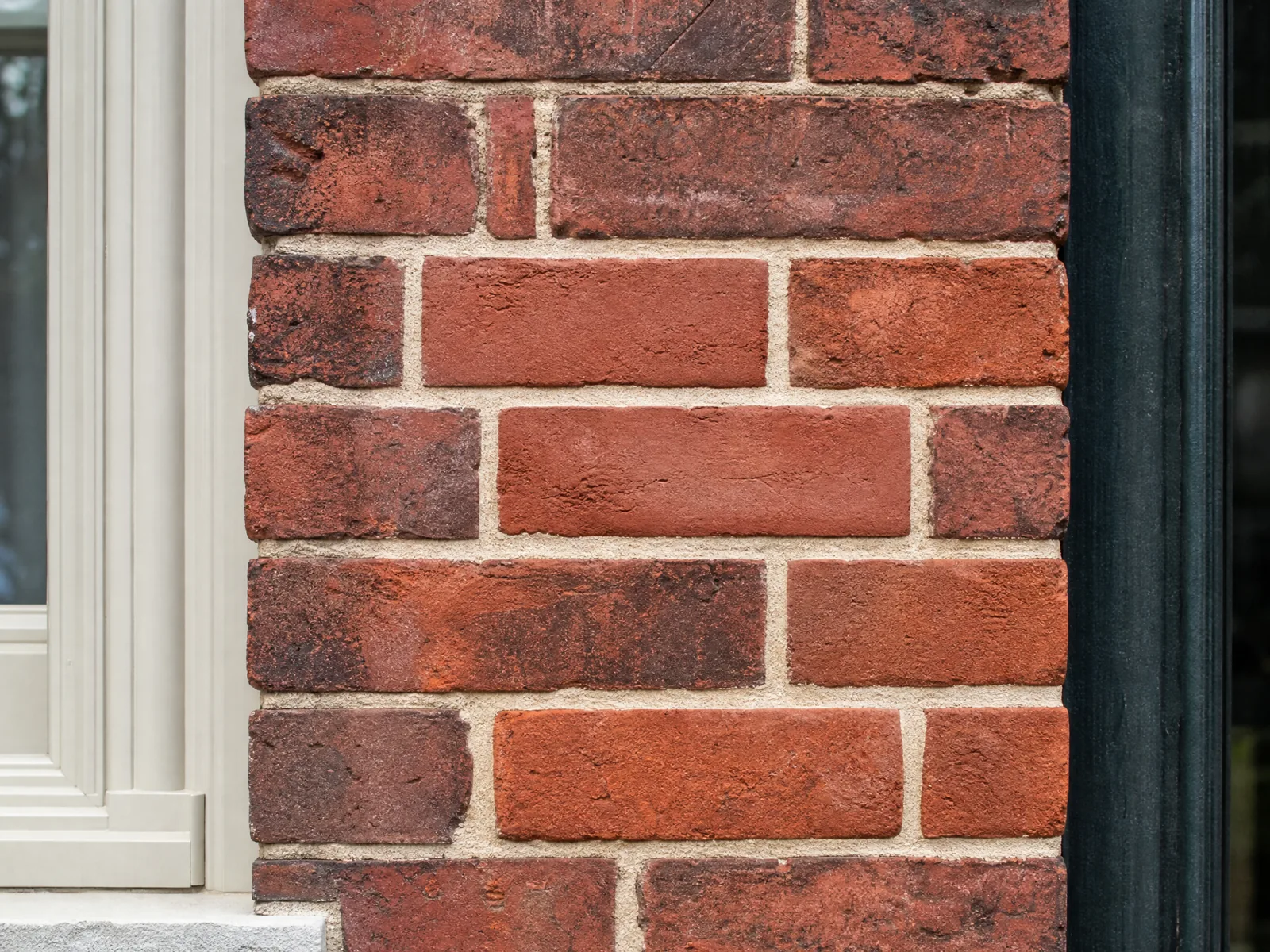
Discuss a Liverpool projectIllustrative historic masonry image — not a photograph of a Liverpool project.
Commercial repointing for Liverpool’s historic façades
A useful Liverpool brief defines the affected elevations or phases and how they relate to occupation and wider repairs. A frontage, courtyard wall or warehouse-scale elevation can raise different access and protection questions. The service is mortar-joint renewal where condition warrants it, not an automatic full-building makeover or a promise to resolve structural movement.
Commercial owners and professional teams can bring a survey, schedule or specification to discuss practical package boundaries. Damaged brick or stone units need separate assessment, even when their repair will be sequenced with pointing. The Merseyside combined-service page is the route for a coordinated joint-and-brick package, while national service pages explain the underlying material and process decisions.
Liverpool dock masonry and conservation-area streets
Liverpool Council lists conservation areas including Albert Dock, Canning Street, Castle Street, Duke Street and Stanley Dock. Historic England’s historical Stanley Dock study describes red-brick dock buildings with sandstone and granite elements. This supports attention to mixed masonry and retained joint character, not a claim that every city elevation is built alike.
Named dock buildings and streets are contextual examples, not our projects. We make no current World Heritage or regeneration-programme claim from a historical source. The actual wall may have altered joints, different repair phases or delicate stone details: photograph those features and ask the appointed team how they affect the proposed scope before assuming one treatment across the façade.
Inspecting joints, compatibility and damaged masonry
SPAB advises that mortar softness alone is not a reason to repoint. Sound joints and serviceable units should be retained; patchy deterioration can support localised repairs. Examine earlier cement pointing, open joints, brick edges and relevant rainwater defects before defining intervention. Photographs are useful evidence for an initial discussion, not a final diagnosis of moisture or movement.
Mortar selection needs to suit the surviving appropriate material, masonry and exposure. Sample review can compare colour, texture and joint finish beside retained areas. Cement removal should be proposed only where a trial demonstrates it can avoid further damage. Repointing and local brick repair may be planned together, but neither automatically requires wholesale replacement to create a uniform appearance.
Liverpool listed-building consent and conservation-area checks
Liverpool City Council states that listed-building consent is needed for alterations affecting special architectural or historic character and that correct consent must be in place before affected work starts. Its conservation mapping helps identify area controls and possible Article 4 requirements. Check the individual property, proposal and any conditions rather than assuming every repair is exempt or every conservation-area building is listed.
Provide known listing information, drawings, the repair schedule and proposed materials to the appointed advisers. Our contribution is practical contractor information on scope, samples and delivery, not a consent approval or formal planning opinion. For addresses outside Liverpool city, follow the relevant Merseyside authority rather than using the city council as a county-wide decision-maker.
Access, sample review and evidence for phased delivery
Explain occupied uses, scaffold or access constraints, public routes, neighbouring premises and programme interfaces. Review-point responsibilities, weather protection and photographic records should be agreed as part of the workstream, together with cleaning, rainwater or other repairs. Avoid treating façade appearance as evidence that repointing alone will cure damp; wider causes may need professional investigation.
Send overall and close-up images, the building address, available specification and approval documents and the intended phases. The published Knutsford case study is in Cheshire and concerns historic residential masonry, not a Liverpool dock or commercial listed-building commission. Its before-and-after evidence can inform an enquiry without inventing a local portfolio, office or guaranteed result for your building.
Genuine regional project evidence · Cheshire
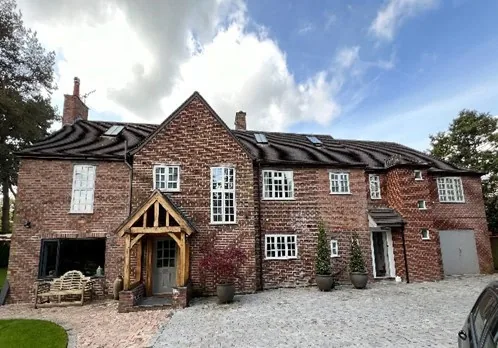
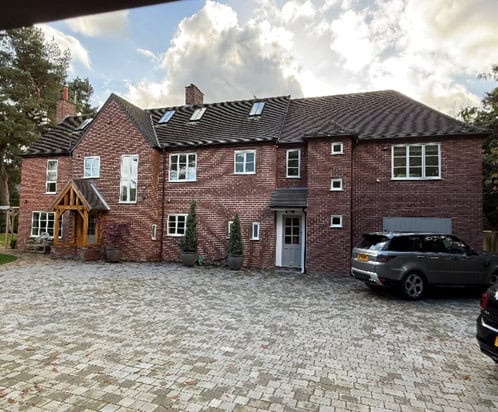
Knutsford, Cheshire: before and after
Published historic residential masonry evidence, not a Liverpool project. The record shows cleaning, colour matching and repointing; it does not establish statutory listing, a commercial commission or consent approval.
Frequently asked questions
Liverpool repointing questions
Can you quote a Liverpool commercial project from photographs?
Photographs help start the discussion but do not guarantee a fixed quotation. Share the address, affected elevations, scope and access constraints, then agree whether inspection or further information is needed.
Which authority handles listed-building checks in Liverpool?
Liverpool City Council provides the city’s consent guidance and conservation mapping. Confirm the actual designation and proposal with it and your appointed advisers before work starts.
Will repointing cure damp in an old Liverpool building?
Not necessarily. Repointing addresses joints; moisture symptoms can have several causes. Review wall condition and wider rainwater or building defects rather than assuming a guaranteed damp cure.
Independent guidance
Official sources and repair advice
Context and signposting, not council endorsement. Check the property and proposal with the appropriate authority before work.
- Liverpool City Council: Conservation areas and property map (opens in a new tab)
- Liverpool City Council: Listed buildings consent (opens in a new tab)
- Historic England: Stanley Dock (historical context) (opens in a new tab)
- Historic England: Repointing Brick and Stone Walls (opens in a new tab)
- Historic England: Listed Building Consent (Advice Note 16) (opens in a new tab)
- SPAB: Repointing (opens in a new tab)
Discuss a Liverpool repointing package
Send the address, affected elevations, close-up photographs, available survey or consent information and access constraints to start a focused discussion.
Related information
Parent coverage, specialist services and consent guidance
Repointing across Merseyside
Return to the parent regional coverage and commissioning page.
ExploreRepointing in Merseyside with brick repair
Explore the combined lime-joint and damaged-brick workstream.
ExploreListed-building repointing
National service information on repair scope and project roles.
ExploreLime pointing
Read the joint preparation, finish and protection considerations.
ExploreHistoric brick repair
Consider local unit repair and retention rather than automatic replacement.
ExploreLime mortar sample panels
Understand review points and useful site records.
ExploreMasonry project and consent information
Practical contractor support for your appointed advisers, not statutory approval.
ExploreDoes repointing need listed-building consent?
Read England-specific questions to check before work begins.
ExploreKnutsford, Cheshire project evidence
Published historic residential before-and-after evidence, not a Liverpool project.
ExploreA concise answer
How can I discuss repointing in Liverpool?
Grade 2 Listed Pointing provides repointing in Liverpool for listed and historic buildings within its Merseyside coverage. We discuss defined commercial masonry packages with owners, surveyors, architects and contractors, starting with failed joints and adjoining fabric. Send the address, photographs and available specification information; Liverpool City Council and the appointed advisers confirm property-specific consent requirements.