
Scoped around the building
The location and condition of the affected masonry guide the work package, rather than a blanket specification for an entire elevation.
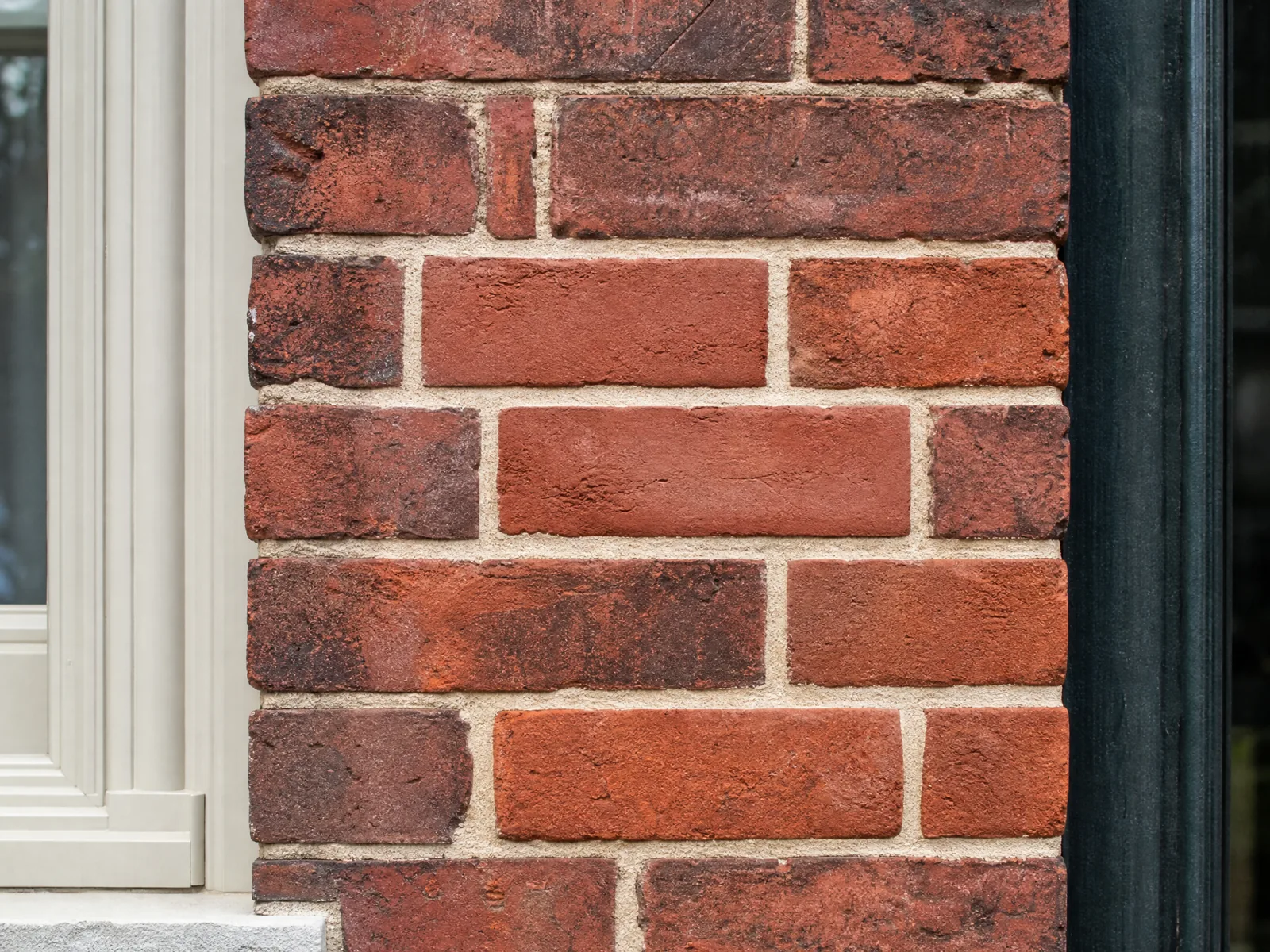
West Midlands service coverage
Grade 2 Listed Pointing provides repointing in West Midlands for listed and historic buildings, supporting commercial owners, architects and appointed project teams. We discuss failed mortar joints, retained fabric, suitable materials and practical access before defining the masonry workstream. Send the address, photographs and current survey or approval information to discuss the package.
Discuss a West Midlands projectIllustrative historic masonry image — not a photograph of a verified West Midlands project.
Birmingham, Coventry, Solihull and the established locations below describe genuine service coverage, not local premises. This West Midlands page is one of six regional pillars; Staffordshire remains a separate service region. Formal heritage advice, engineering design and consent decisions are not replaced by contractor delivery input.
Listed-building repointing: national service informationBirmingham Council identifies the Jewellery Quarter as a surviving group of Victorian and early twentieth-century jewellery workshops, and Bournville as a late nineteenth-century model village. Those contrasting contexts illustrate the importance of actual construction, retained joint character and occupied-building use. They are not company commissions, evidence of defects or a specification for every West Midlands property.
Historic England says comprehensive repointing is rarely necessary and sound historic mortar should remain undisturbed. Assess failed joints and adjacent fabric rather than replacing sound work to achieve uniformity. Previous repairs and wider rainwater or movement concerns may need professional review. Repointing renews joints; it does not guarantee a cure for damp or structural problems.
Appropriate surviving material, masonry condition, exposure and joint appearance inform compatibility. A trial panel can help the team review colour, texture and workmanship before wider treatment. SPAB recommends trial-led decisions on hard cement removal to avoid further damage. No single lime mix, preparation depth or curing duration can be prescribed from the county name.
Birmingham provides conservation-area mapping and a listed-building application checklist; Coventry has its own guidance on permission to alter listed buildings. Use the actual property’s local planning authority, not an imagined West Midlands conservation office. Check listing separately from conservation-area status and any applicable controls.
In England, work affecting special listed character may require consent. Lime mortar is not an automatic exemption. Existing photographs, drawings, schedules and approval conditions can help the appointed advisers define the proposal; we can discuss practical contractor information without promising to supply formal heritage statements or secure permission.
For historic workshops, civic premises or estate assets, tell us about occupation, affected elevations, public interfaces, access constraints, programme and adjacent trades. Agree sample review responsibilities, protection and records alongside the proposed extent. The combined-service child covers joint-and-brick sequencing in more detail; national service pages provide material and process depth.
A project-team workstream
The location and condition of the affected masonry guide the work package, rather than a blanket specification for an entire elevation.
We deliver the agreed masonry scope while engineering design, planning decisions and formal heritage advice remain with the relevant appointed professionals.
Documented photographs, material references and agreed completion information can support a clear record of the defined workstream.
Masonry scopes we discuss
Project case-study evidence
The currently published case study is based in Knutsford, Cheshire. It is included as a transparent example of the repair-led process and documented outcome, not as a claim that the work took place in West Midlands.
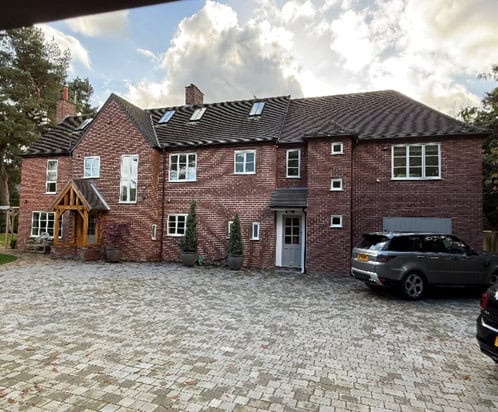
A front-elevation restoration that brought visual coherence back to historic brickwork through a carefully sequenced combination of cleaning, colour matching and repointing.
View detailed case studyFuture West Midlands project packs
Frequently asked questions
The contractor contribution is practical and project-focused. Consent decisions, legal matters and formal heritage advice remain with the appropriate authority and appointed professionals.
Yes. We cover the West Midlands for specialist listed and historic masonry packages for commercial property owners, estates, architects, contractors and appointed project teams.
Yes. Where the repair basis and design are defined by the appointed professionals, our role is to deliver the agreed masonry workstream carefully and in coordination with the project team.
Share the building location, photographs, affected elevations, current project information, access or programme constraints and any known approval context. This helps frame a useful initial discussion.
Independent context, not authority endorsement. Check the individual property and proposal before work starts.
Share the building, location, scope and available project information for a specialist initial discussion.
Related information
A concise answer
Grade 2 Listed Pointing provides repointing in West Midlands for listed and historic buildings, supporting commercial owners, architects and appointed project teams. We discuss failed mortar joints, retained fabric, suitable materials and practical access before defining the masonry workstream. Send the address, photographs and current survey or approval information to discuss the package. Birmingham, Coventry, Solihull and the established locations below describe genuine service coverage, not local premises. This West Midlands page is one of six regional pillars; Staffordshire remains a separate service region. Formal heritage advice, engineering design and consent decisions are not replaced by contractor delivery input.