
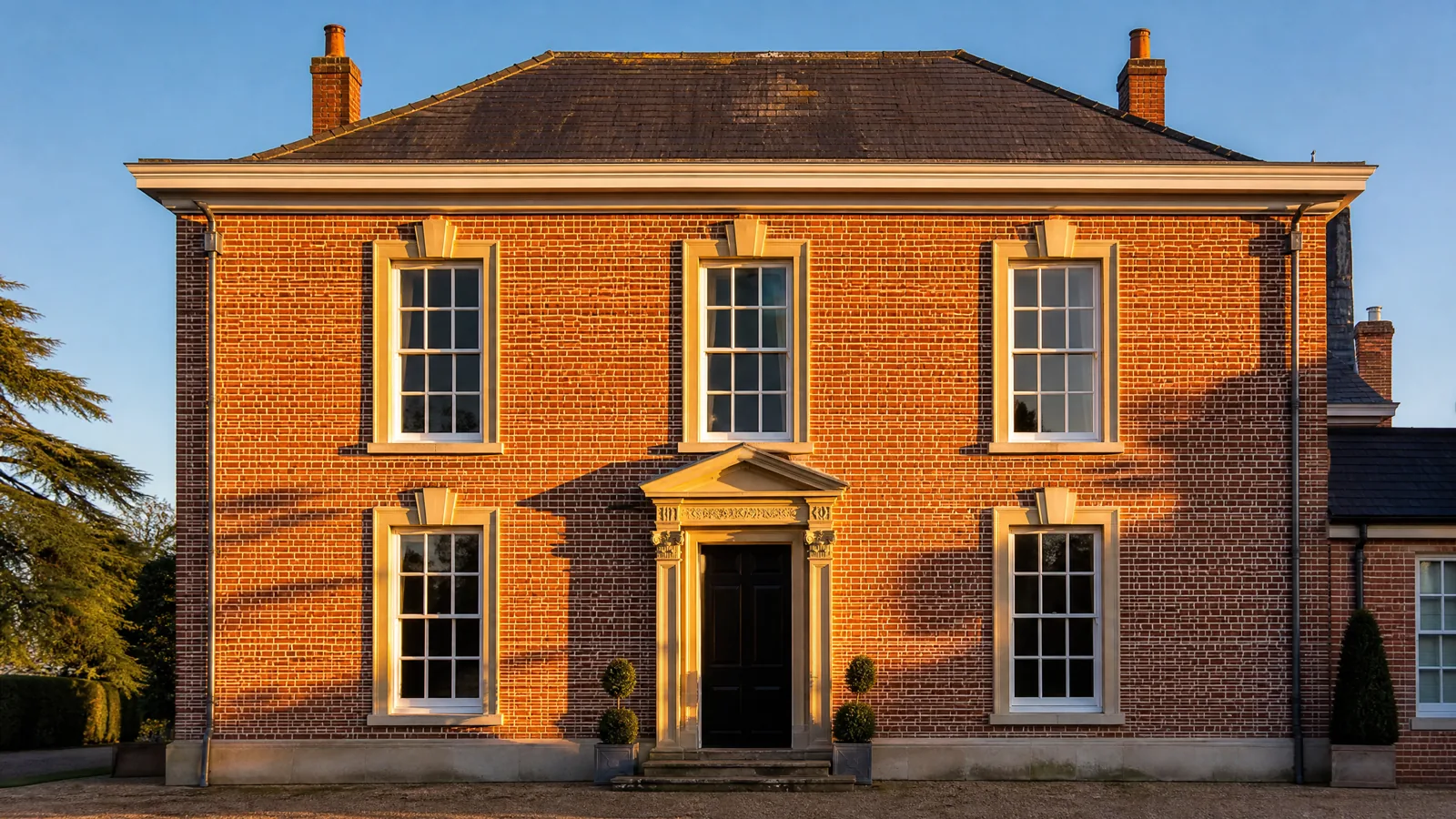
Grade 2 Listed Pointing
Heritage masonry restoration and listed-building repointing.
A specialist delivery partner for architects, estates, developers and property managers working with heritage masonry across our six service regions.
Masonry work shaped by the building, the material and the project context.
Historic masonry calls for a measured response. Grade 2 Listed Pointing brings more than two decades of practical masonry experience to repair, repointing, cleaning and restoration scopes where compatible materials, careful execution and a clear audit trail matter.
Our teams work alongside commercial property owners, project professionals and appointed heritage advisers. We develop practical scope information, retain existing fabric wherever possible, prepare relevant trial panels, and deliver the agreed masonry workstream with a disciplined site process. About Grade 2 Listed Pointing.
Specialist services
A focused conservation masonry offer.
Grade II Listed Building Repointing
A repair-led repointing approach shaped by existing mortar, historic fabric and the agreed project scope.
Explore serviceLime Mortar Repointing
Compatible mortar, joint repair, sample panels and practical project-team coordination.
Explore serviceConsent & Project Support
Scope information, method and trial-panel support for a responsible masonry workstream.
Explore service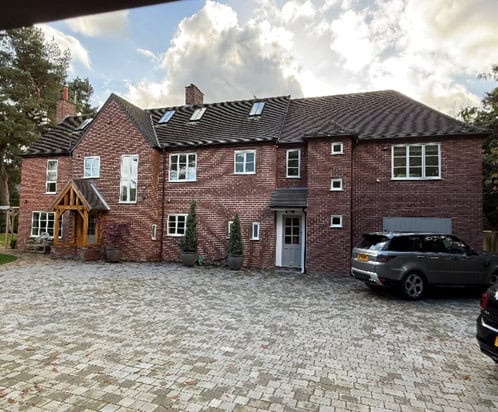
Project evidence
See how a carefully defined masonry scope translates on site.
Our project pages focus on the work, the building context and the delivery considerations. The recorded Knutsford residential brickwork and Chelford bridge projects show their actual Cheshire scopes—not a verified statutory listing grade. Browse the original visual records, including the interactive before-and-after comparison, to see the difference that repair-led restoration can make.
How we work
A practical conservation mindset, from first discussion to handover.
Existing fabric first
We assess the existing masonry and repair only what needs attention, retaining character wherever possible.
Compatible materials
Mortars, replacement units and finishes are selected to work with the original construction rather than against it.
Documented delivery
Clear scope information, site records and communication give project teams confidence at each stage.
Collaborative working
We work alongside architects, consultants, estate teams and contractors with respect for agreed responsibilities.
Regional repointing pillars
Listed and historic masonry across six service regions.
Choose your region for local repointing context, the relevant authority checks and links to lime pointing, brick repair and project preparation. Service coverage does not imply a separate local office.
Planning work to a listed or historic building?
Get in touch to discuss the building, proposed scope, project team and the information required to move forward responsibly.
A concise answer
What does heritage masonry restoration involve?
Heritage masonry restoration is condition-led work to retain and repair historic brick, stone and mortar. Grade 2 Listed Pointing supports commercial clients and appointed project teams with repointing, local fabric repair and defined cleaning or structural masonry work across Cheshire, Staffordshire, Merseyside, Greater Manchester, Shropshire and the West Midlands.
Do you work with architects and commercial project teams?
Yes. Enquiries can come from architects, heritage consultants, commercial owners, estate managers, developers and main contractors. Define the masonry package and each party’s responsibilities before work begins.
Does a listed building always need full repointing?
No. Sound historic mortar should normally be retained. The extent of joint repair should follow the building’s condition and agreed repair requirements, rather than assuming the whole elevation needs new mortar.
Is Grade 2 Listed Pointing a separate local office in each region?
No. Grade 2 Listed Pointing is the listed-building specialist arm of Cheshire Pointing, based in Cheshire. The six named regions describe service coverage, not six branch offices.