
Commercial project readiness
A clear brief identifies the affected locations, access constraints, programme, interfaces and available survey or design information.
Greater Manchester service coverage
Grade 2 Listed Pointing provides repointing in Greater Manchester for listed and historic buildings, supporting owners, estate teams, architects and main contractors. We discuss existing brick or stone, failed joints, compatible mortar and local repair needs before agreeing a defined masonry package. Share the address, condition photographs and available survey or specification information.
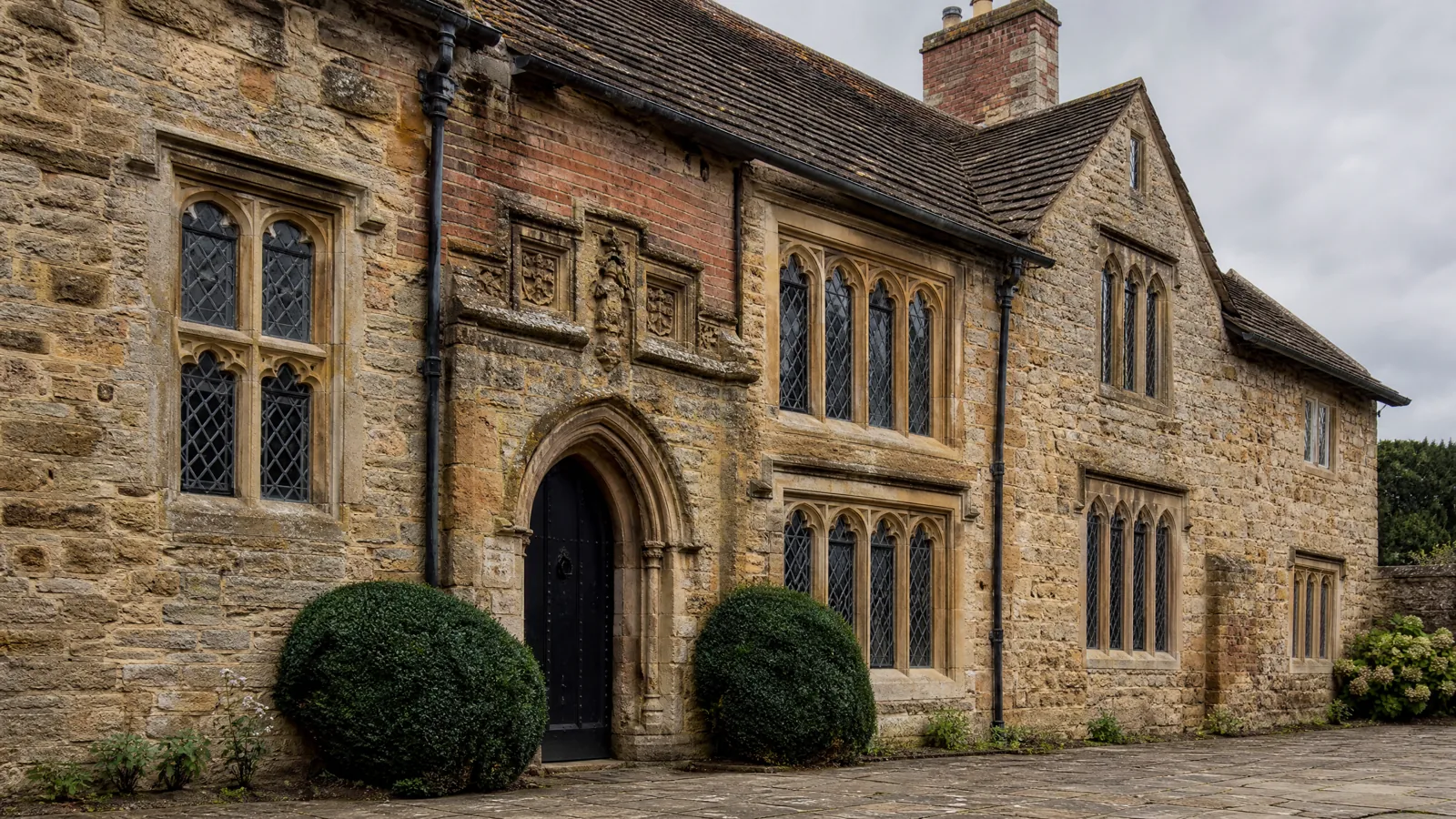
Discuss a Greater Manchester projectIllustrative historic masonry image — not a photograph of a verified Greater Manchester project.
Our established regional coverage includes Manchester, Stockport, Salford and the other locations below. This is a service footprint, not a network of offices. The Manchester city page gives a narrower commercial enquiry route; the regional combined-service page deals with packages involving both mortar joints and damaged brick units.
Listed-building repointing: national service informationRepointing replaces mortar at the exposed face of existing joints; it is not automatically a cosmetic treatment for an entire elevation. Historic England advises that comprehensive work is rarely necessary and sound mortar should remain undisturbed. Loose joints, earlier repairs, rainwater defects and the surrounding masonry need assessment before setting the extent. Photographs help an enquiry but do not replace inspection.
Manchester Council describes Ancoats’ older buildings as generally red brick with slate roofs. Stockport Council identifies Market and Underbanks as a historic town-centre core with changing levels and surviving historic buildings. These verified contexts differ in form and access; neither establishes a universal mortar or blanket Grade II status. Joint character, appropriate surviving materials and local exposure should guide each proposal.
Greater Manchester’s ten councils have their own local responsibilities; Manchester City Council is not the consent authority for every regional address. Work affecting a listed building’s special character can require listed-building consent. Check with the relevant local planning authority’s Conservation Officer before starting, alongside conservation-area and any applicable planning controls.
A change to mortar or joint appearance can matter even where lime is proposed. The appointed architect or conservation adviser confirms the professional repair basis, while practical contractor input can address materials, samples and delivery. Removing hard inappropriate pointing should only be proposed after a trial indicates it can be done without further damage.
For phased or occupied projects, provide public-interface constraints, scaffold/access information, adjacent trades and provisional programme. Identify who reviews the trial panel, which areas are retained and which repairs have an agreed design. Material references and photographs can form useful delivery records; they are not statutory approvals or a substitute for structural assessment.
A project-team workstream
A clear brief identifies the affected locations, access constraints, programme, interfaces and available survey or design information.
Mortar, joint details and local repairs are considered against the existing masonry and agreed visual outcome.
The contractor role is coordinated with architects, conservation advisers, engineers and the client’s team where they are appointed.
Masonry scopes we discuss
Project case-study evidence
The currently published case study is based in Knutsford, Cheshire. It is included as a transparent example of the repair-led process and documented outcome, not as a claim that the work took place in Greater Manchester.
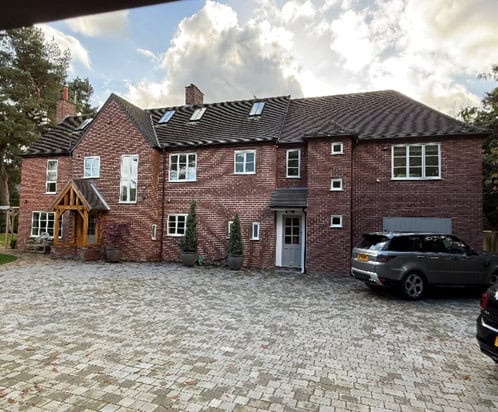
A front-elevation restoration that brought visual coherence back to historic brickwork through a carefully sequenced combination of cleaning, colour matching and repointing.
View detailed case studyFuture Greater Manchester project packs
Frequently asked questions
The contractor contribution is practical and project-focused. Consent decisions, legal matters and formal heritage advice remain with the appropriate authority and appointed professionals.
Yes. Grade 2 Listed Pointing covers Greater Manchester for defined listed and historic masonry packages, including commercial and professionally led projects.
We can discuss practical package boundaries, access, sequencing, materials and sample requirements. The design, approvals and professional appointments should be confirmed by the client’s appointed team.
A trial panel can allow the project team to review material character, mortar colour, joint profile and finish in context before a wider treatment is agreed.
Independent context, not authority endorsement. Check the individual property and proposal before work starts.
Share the building, location, scope and available project information for a specialist initial discussion.
Related information
Read the specialist service overview.
ExploreReview substrate-first cleaning and test-area principles.
ExploreSee what a useful sample can demonstrate.
ExplorePractical contractor information for your appointed advisers; not a statutory approval service.
ExploreA concise answer
Grade 2 Listed Pointing provides repointing in Greater Manchester for listed and historic buildings, supporting owners, estate teams, architects and main contractors. We discuss existing brick or stone, failed joints, compatible mortar and local repair needs before agreeing a defined masonry package. Share the address, condition photographs and available survey or specification information. Our established regional coverage includes Manchester, Stockport, Salford and the other locations below. This is a service footprint, not a network of offices. The Manchester city page gives a narrower commercial enquiry route; the regional combined-service page deals with packages involving both mortar joints and damaged brick units.