
Project delivery
What a Lime Mortar Trial Panel Should Demonstrate
Evaluate a lime mortar trial panel for compatibility, colour, texture, joint profile, workmanship, curing and its relationship with retained masonry.
Last reviewed:
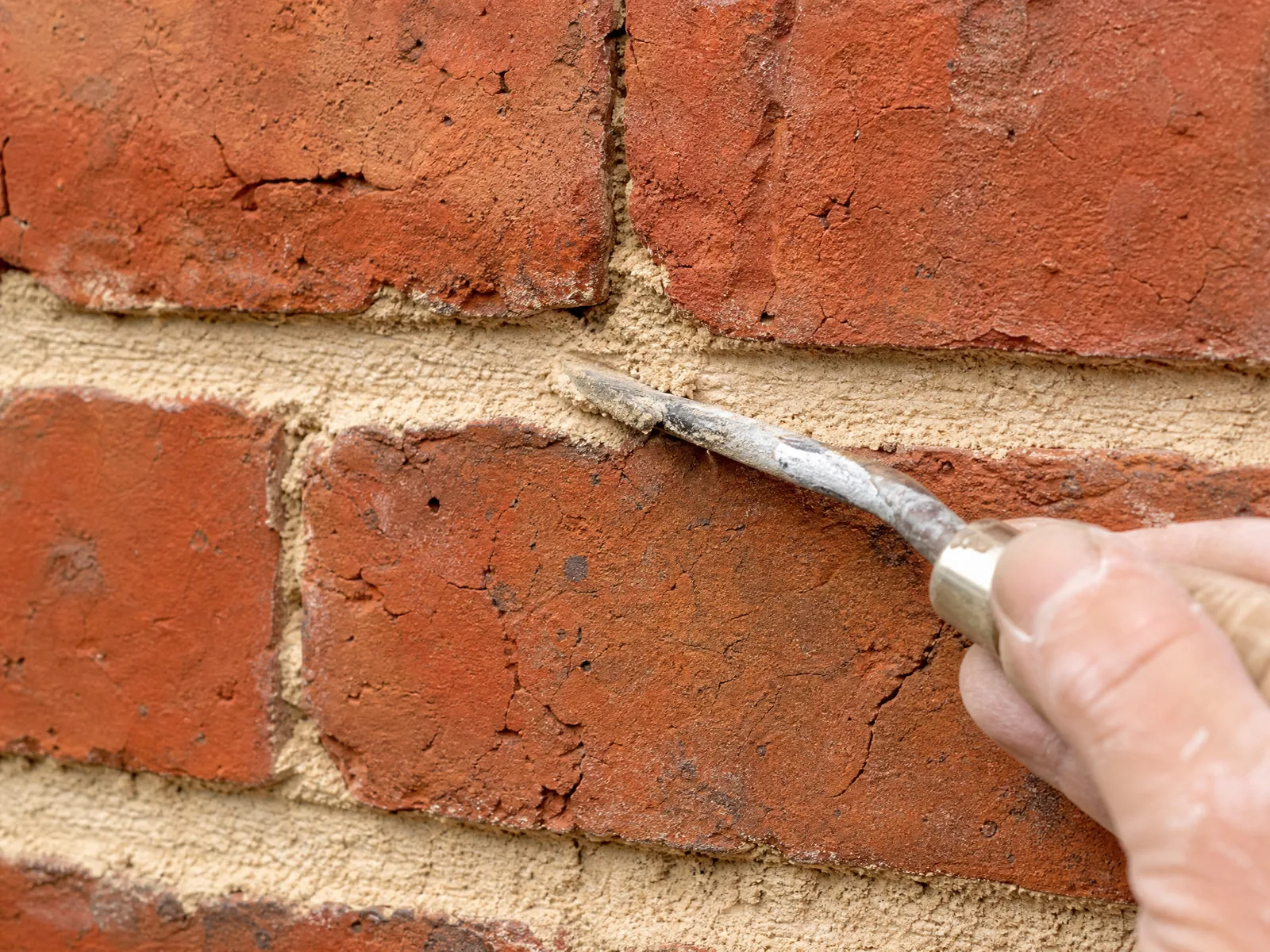
Hero image: AI-generated, non-local illustration; not a photograph of our work.
A useful lime mortar trial panel demonstrates mortar character, joint profile, workmanship and the response of surrounding masonry after suitable curing. Evaluate those features against the existing wall, not colour alone.
This guide provides general project information. It is not legal, planning, structural-engineering or formal heritage-consultancy advice. Confirm project-specific requirements with the relevant authority and appointed advisers.
Evaluate mortar character against the existing masonry
A trial panel is a practical shared reference, not simply a sample of colour. It can help a project team consider material character, joint profile, workmanship, curing conditions and the appearance of a proposed repair in the context of the actual building.
The location and size should be sufficient to show how the proposed mortar and finish sit with the existing masonry. It should represent the type of joints and material conditions that the main work will encounter.
The panel needs to be considered after an appropriate curing period so that the team is not judging only a freshly applied finish.
- Proposed mortar colour and aggregate character
- Joint profile, depth and finish
- Relationship to adjacent historic fabric
- Representative location and wall condition
Evaluate joint profile, workmanship and curing response
Check the finished profile against surviving appropriate pointing, the texture and aggregate against adjacent joints, and whether preparation or application has disturbed masonry edges. Review the cured result in daylight and with the wider elevation visible; a freshly applied panel is not the final reference.
The project team should be clear about who needs to review the panel and what decisions it is intended to support. This may include appearance, workmanship, sequencing or an approval requirement.
Photographs and short written notes can create a useful record of the agreed reference for the site team.
These observations form the evaluation record. For commissioning responsibilities, arranging the review and using the accepted panel on site, follow the separate sample-panel planning guide.
- Colour and aggregate texture after suitable curing
- Joint profile and workmanship in the wider wall
- Response of adjacent brick or stone and retained mortar
- Adjustments needed before the reference is accepted
- Reviewers and approval route
- Curing and weather conditions
- Photographs and location record
- Any agreed adjustments before wider work
- Commission, review and record a lime mortar sample panel
Use the delivery-focused guide to arrange the review and retain the decision.
What a trial panel does not replace
A successful panel does not replace an assessment of the building, a properly defined scope or any required consent. It is one practical part of a wider conservation and delivery process.
The relevant local authority and appointed advisers remain responsible for their own professional and statutory decisions.
- Lime mortar repointing
Explore the service approach for listed and historic masonry.
Common questions
Points to clarify for your building.
Does every lime mortar project need a trial panel?
Not every project will require one. It is most useful where the project team needs an agreed material or visual reference before a wider scope proceeds.
Can the panel be changed after review?
Yes. The purpose is to inform the proposed approach. If review identifies adjustments to colour, texture, profile or process, those can be agreed before the main work begins.
Need to discuss a project-specific masonry scope?
Share the building, proposed work and project context. We can help identify the practical information needed for a useful initial discussion.
Related information
Continue your project research
Lime mortar repointing
Explore the service approach for listed and historic masonry.
ExplorePreparing a repair scope
Use the project-team checklist before sampling work.
ExploreConsent and project support
Understand practical contractor support boundaries.
ExploreLime Pointing for Listed and Historic Buildings
Discuss a defined contractor work package; statutory and professional decisions remain with the relevant authority and appointed advisers.
ExploreCommissioning, reviewing and recording a sample panel
Use the separate delivery guide for responsibilities, review arrangements and records.
Explore