
Project delivery
Lime Mortar Sample Panels: Review, Approval and Site Records
A practical guide to planning lime mortar sample panels for historic masonry, including representative locations, review criteria, curing, project-team approval and site records.
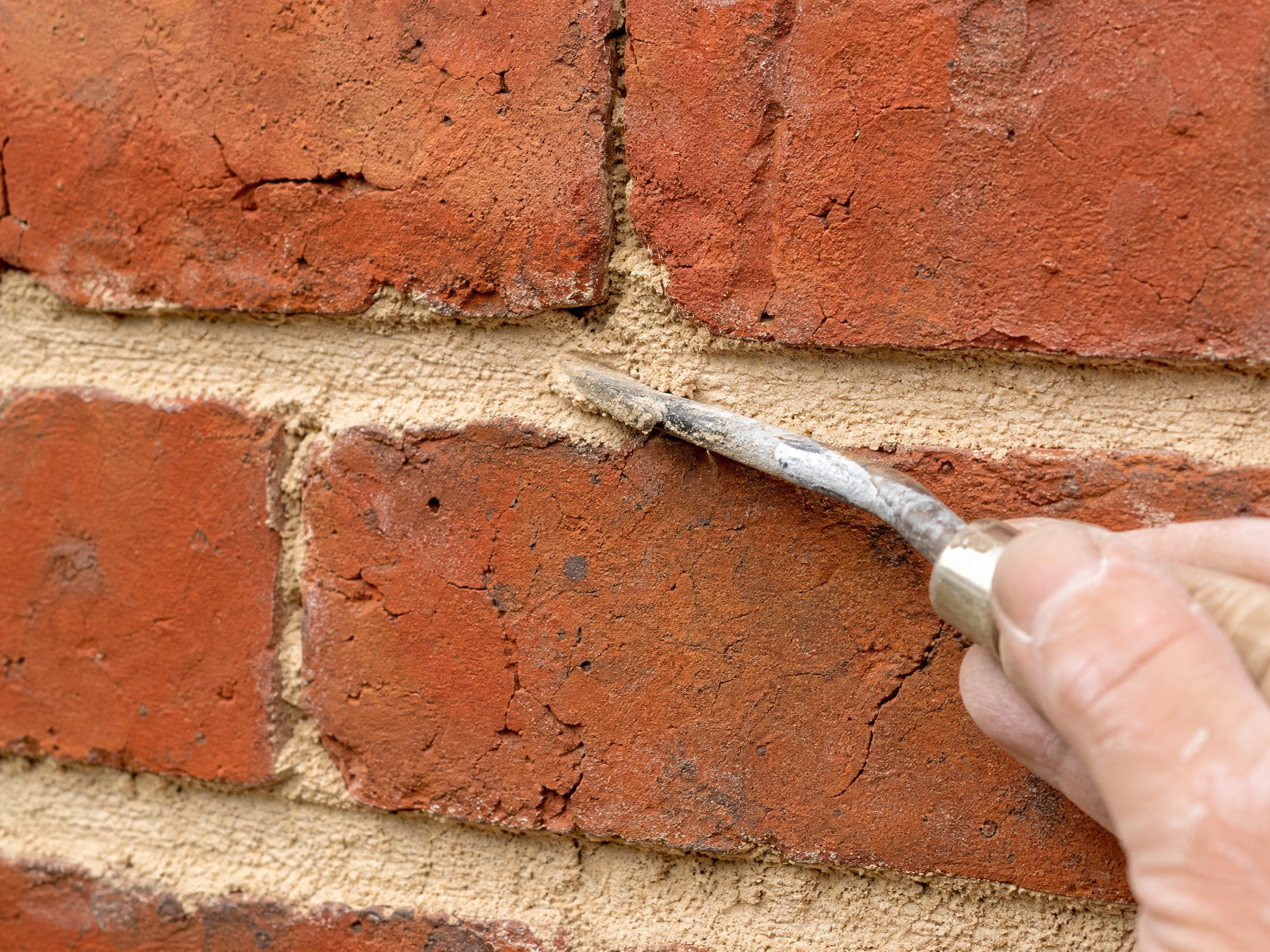
A lime mortar sample panel turns a proposed material and finish into a shared site reference. It helps the project team review what will be used, where it is being applied and how colour, texture, joint profile and workmanship sit with the actual building before wider work proceeds.
This guide provides general project information. It is not legal, planning, structural-engineering or formal heritage-consultancy advice. Confirm project-specific requirements with the relevant authority and appointed advisers.
Set the question the panel is intended to answer
Before preparing a panel, agree what the team needs to review. A sample may support material selection, joint profile, workmanship, interface with repaired brickwork, the effect of curing conditions or a listed-building approval discussion. It should not be treated as a generic display item.
Historic England notes that the character of mortar joints contributes significantly to the appearance and durability of masonry. A review question makes it easier to select a representative location and create a usable record of the agreed outcome.
- The decision or review point the panel supports
- The mortar, aggregate and joint-profile proposal
- Relevant brick or stone conditions to represent
- Who needs to review and record the result
Choose a representative, accessible location
The panel should show conditions that the main work will actually encounter: the same masonry type, joint depth, exposure and intended finish. Its location needs to be accessible for review without confusing a local anomaly for the whole building.
Photograph the panel before, during and after completion, and record its position. This helps the project team return to the agreed reference during site delivery and at handover.
- Representative brick or stone and mortar joints
- A location that can be viewed by the relevant team
- Photographs, date and location record
- Weather and curing observations where relevant
Review after curing, then use the decision consistently
A freshly completed panel does not show the final appearance of a lime-based repair. Allow the agreed review period and consider the result in daylight and in relation to the surrounding historic fabric before confirming any adjustments.
Once agreed, the panel can help guide the wider work, but it does not replace the project specification, consent route or condition assessment. Any material or finish changes should be recorded with the appointed project team before they are adopted on site.
- Agreed curing and review point
- Appearance in context, not in isolation
- Written record of the approved reference
- A route for managing any agreed change
Common questions
Points to clarify for your building.
Is a sample panel the same as a trial panel?
The terms are often used interchangeably. In either case, the panel should have a defined purpose: to provide a practical, reviewable reference for a proposed mortar, joint finish or related masonry repair.
Who should approve a lime mortar sample panel?
The review route should be agreed by the project team. Depending on the project, this may include the client, architect, conservation adviser, contract administrator or relevant authority. The contractor can provide practical information but does not replace those roles.
Can a panel be revised before the main work starts?
Yes. A panel is useful precisely because it allows the team to review and refine the proposed material, finish or process before the wider scope proceeds. Record the agreed revision so it can be followed consistently on site.
Need to discuss a project-specific masonry scope?
Share the building, proposed work and project context. We can help identify the practical information needed for a useful initial discussion.
Related information
Continue your project research
What a lime mortar trial panel should demonstrate
Review the material and workmanship features a panel can make visible.
ExploreLime mortar repointing
Explore material compatibility and joint-repair considerations.
ExplorePreparing a repair scope
Use the scope checklist before agreeing sampling work.
Explore