
Retain what remains sound
Existing fabric is reviewed before replacement is considered, helping the scope focus on the areas that genuinely need intervention.
Repair-led conservation masonry
Repair-led brick and stone restoration for listed buildings. Discuss retained fabric, local repairs, compatible matching and coordinated masonry work.
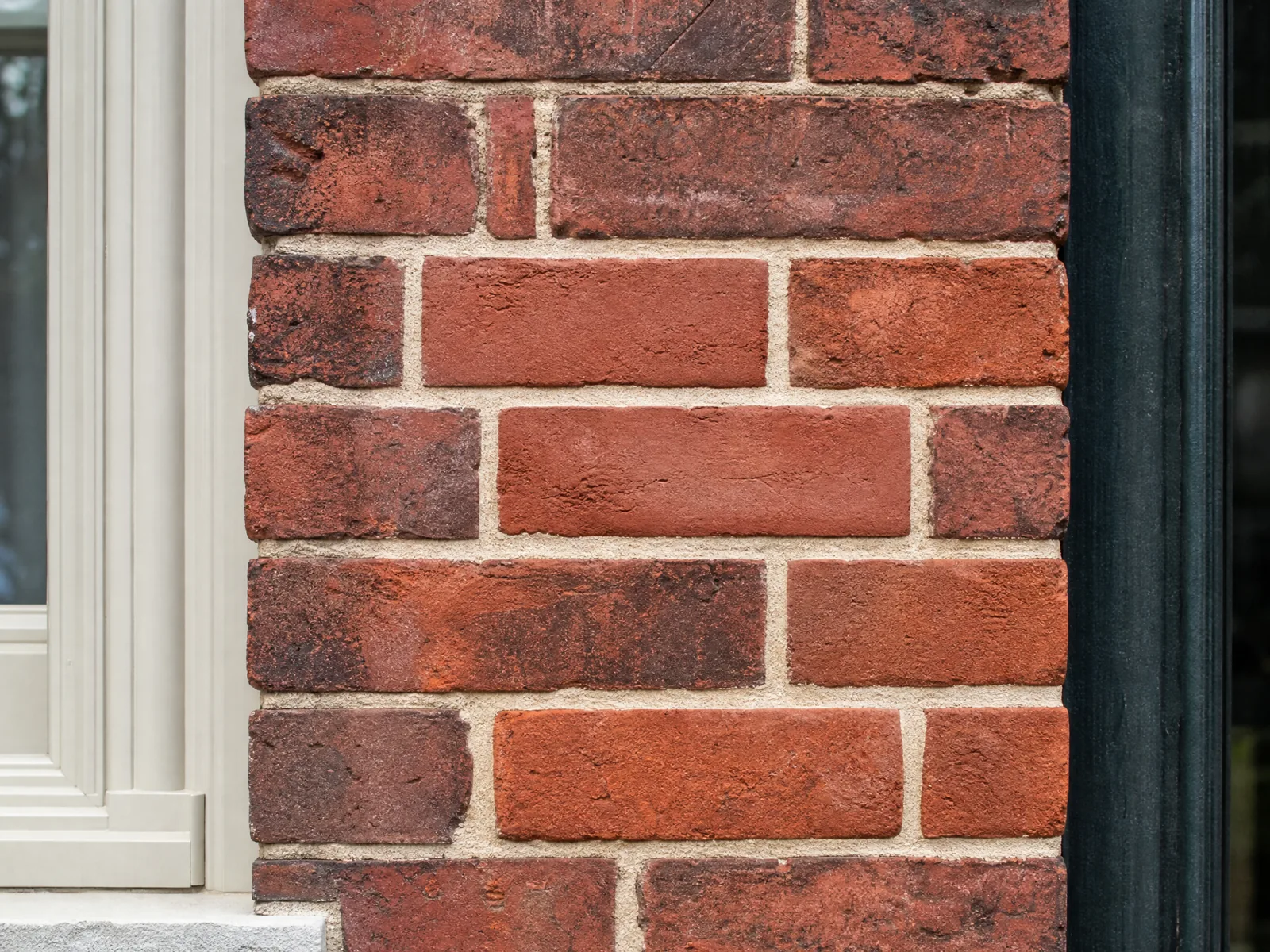
Discuss the proposed scopeHero image: AI-generated, non-local illustration; not a photograph of our work.
Brick and stone restoration for a listed building starts with understanding what can be retained, what needs local repair and whether any replacement is justified. Grade 2 Listed Pointing supports project teams with repair-led masonry work and coordination with repointing and cleaning where required.
Historic brick and stone can carry the marks of age, weathering and earlier intervention without necessarily needing wholesale replacement. A careful repair scope distinguishes between sound retained fabric, areas needing local intervention and elements that require further assessment.
Grade 2 Listed Pointing supports commercial teams with repair-led brick and stone work that is coordinated with repointing, cleaning and access planning. The emphasis is on an appropriate, documented intervention rather than an over-restored appearance.
Restoration can bring together retained fabric, local unit repair, justified replacement, matching and related joint or surface work. It is not a requirement to renew the whole elevation or create an unweathered appearance.
Define the actual intervention for each location. Brick-unit repair, repointing and cleaning have different purposes even when they belong to one package.
Follow the unit-specific route for damaged brickwork.
For brickwork, record face loss, spalling, local cracks, previous repairs and moisture interfaces. Identify which units remain sound and which need closer assessment.
For stone, consider the material, bedding, exposed faces, joints, decay pattern and any earlier treatments. Stone types do not all behave alike: the material and cause of damage must inform the proposal. Suspected movement or instability needs the appointed structural engineer, not a cosmetic repair assumption.
Route movement and reinforcement work to professional diagnosis and design.
Retention of sound historic fabric is the starting point. Local repair should be considered where it can achieve an appropriate outcome; replacement needs a specific justification where the existing unit cannot be retained safely or usefully.
Agree intervention thresholds against the building’s condition and significance. Record newly revealed damage and review any proposed extension before treating it as part of the original scope.
Use the detailed retention-led decision framework.
Matching is physical as well as visual: material, dimensions, weathering behaviour, colour, texture and finish should work with the existing fabric and adjacent mortar.
Review proposed materials in the full elevation and through representative samples where useful. Do not assume a perfect invisible match or prescribe a generic stone-repair technique without a suitable material assessment and agreed detail.
Retain sound mortar rather than assuming restoration requires full-elevation repointing. Failed joints, surface deposits and damaged units should each have a defined purpose and extent.
Cleaning can expose condition and change the appearance against which repairs are reviewed. The sequence should follow the actual substrate and repair detail, with access and water-management interfaces considered together.
Discuss compatible renewal of failed joints.
Review cleaning trials and repair interfaces.
Bring survey findings, material proposals, sample requirements and known approvals into one reviewable package. Confirm project-specific consent requirements with the local planning authority and appointed advisers.
Actual project location: Knutsford, Cheshire. The published brickwork restoration record documents cleaning, colour matching and repointing at a historic residential property. It does not establish Grade II listing or demonstrate a particular stone-repair technique.
Read the actual brickwork sequence, not an inferred stone or listing claim.
Supporting delivery principles
Existing fabric is reviewed before replacement is considered, helping the scope focus on the areas that genuinely need intervention.
The method may include targeted repair, localised replacement or finish work where it is appropriate to the condition and building context.
Brick and stone repair is planned alongside joints, cleaning, water management, access and adjacent trades rather than as an isolated operation.
Samples, photographs and agreed scope information can help the project team assess proposed materials and finishes.
For project teams
Frequently asked questions
Where fabric is sound enough to retain, a repair-led approach can protect character and reduce unnecessary intervention. The right balance depends on the specific condition and project requirements.
Yes. The sequence should be considered so that local fabric repair, mortar work and any finishing treatments support the agreed outcome.
Matching considers dimensions, colour, texture and finish as well as compatible physical and weathering properties. Review the proposed unit and adjacent mortar against the existing elevation and project requirements. Samples can help, but a perfect invisible match is not guaranteed.
Restoration can include brick or stone units, retained fabric, matching and related work across an elevation. Repointing addresses mortar joints. A building may need both, but the extent should follow its condition rather than an assumption that everything needs renewing.
It may. Confirm the affected fabric, methods and proposed appearance with the relevant local planning authority and appointed advisers before starting. Work described as repair or like-for-like is not automatically exempt.
These sources inform the general repair principles. They are not endorsements of the business or approval of a particular project.
Related information
Explore commercial repointing for listed masonry.
ExploreRead the practical decision framework.
ExploreView approved repair-led project evidence.
ExploreDiscuss damaged brick units and matching.
ExploreCoordinate the cleaning and repair workstream.
ExploreReview verified service coverage.
ExploreA concise answer
Brick and stone restoration for a listed building starts with understanding what can be retained, what needs local repair and whether any replacement is justified. Grade 2 Listed Pointing supports project teams with repair-led masonry work and coordination with repointing and cleaning where required.