
Historic fabric first
Condition, existing mortar, joint profile and surrounding brick or stone are reviewed before a repair method is assumed.
Cheshire service coverage
Grade 2 Listed Pointing provides repointing in Cheshire for listed and historic buildings, supporting commercial owners, architects and professional project teams. We review failed joints, existing mortar and surrounding masonry before agreeing a repair-led scope. Send the address, elevation photographs and available project information to discuss materials, samples and access.
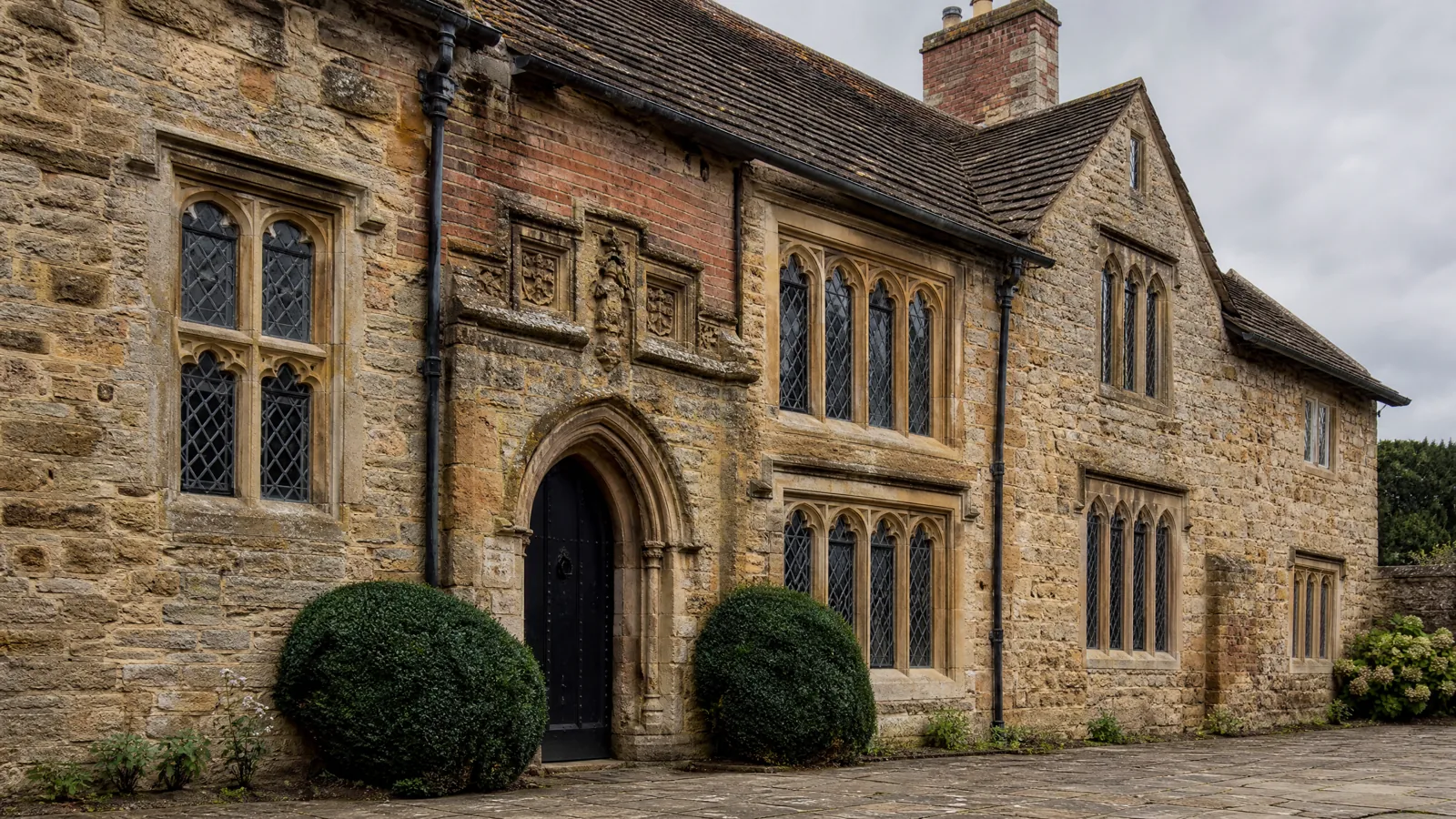
Discuss a Cheshire projectIllustrative historic masonry image — not a photograph of a verified Cheshire project.
A localised joint repair, a defined elevation or a phased estate package each needs its own brief. Brick and stone repairs may be related workstreams, but they are not automatically required wherever repointing is proposed. Consent requirements and formal heritage advice remain with the relevant authority and appointed advisers.
Listed-building repointing: national service informationOpen joints, loose mortar, vulnerable details and earlier repairs are useful assessment prompts. Historic England advises that comprehensive repointing is rarely necessary: sound historic mortar should remain undisturbed. Soft mortar alone is not evidence that a wall needs stripping. Review rainwater defects and adjacent damaged units before defining the extent.
Surviving appropriate mortar, the brick or stone, joint character and exposure guide material selection. A sample can help the team assess colour, aggregate texture and finish in the actual elevation. Cheshire’s location is not a mortar specification; hard cement removal should enter the scope only after a trial indicates that masonry can be protected from further damage.
Cheshire West and Chester’s Conservation and Design Team advises on listed buildings and alterations. Cheshire East has its own listed-building guidance. Identify the authority for the actual address rather than treating Chester’s council as the authority for all Cheshire work. Changes affecting listed character can require consent; listing and conservation-area status are separate checks.
Chester’s official Rows guide distinguishes earlier timber-framed buildings from Georgian brick frontages, some re-fronting older structures. This illustrates why apparently similar façades may need different investigations. The guide is context, not a mortar recipe, a permission to undertake repairs or evidence of our work on the Rows.
For occupied premises, discuss trading or working hours, scaffold access, pedestrian protection, rainwater-goods interfaces and neighbouring fabric. Agree useful sample review points and the relationship between repointing, cleaning and local repairs before mobilisation. Photographs and survey information support an initial discussion; neither replaces site assessment nor guarantees a price, programme or approval.
A project-team workstream
Condition, existing mortar, joint profile and surrounding brick or stone are reviewed before a repair method is assumed.
Access, programme, occupied-building constraints and interfaces with other trades are considered as part of the masonry workstream.
Photographs, samples and practical scope information can help project teams review materials and finishes before wider work proceeds.
Masonry scopes we discuss
Project case-study evidence
Our current published case study records a Knutsford brickwork restoration with approved before-and-after imagery and a documented sequence of cleaning, colour matching and lime mortar repointing.
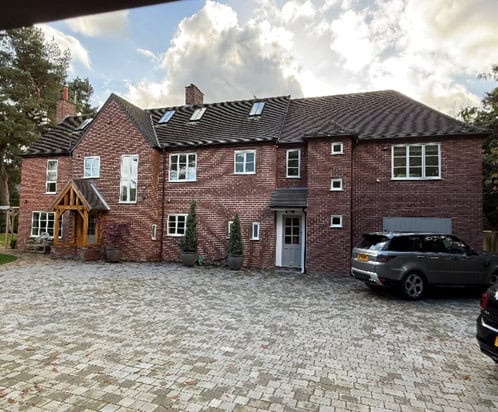
A front-elevation restoration that brought visual coherence back to historic brickwork through a carefully sequenced combination of cleaning, colour matching and repointing.
View detailed case studyFuture Cheshire project packs
Frequently asked questions
The contractor contribution is practical and project-focused. Consent decisions, legal matters and formal heritage advice remain with the appropriate authority and appointed professionals.
Yes. Grade 2 Listed Pointing covers Cheshire for defined listed and historic masonry scopes. Share the building location, photographs, intended work and project context so that the initial discussion can be focused.
We can provide practical contractor input on materials, access, sequencing, sample panels and delivery considerations. Consent decisions and formal heritage advice remain with the relevant local authority and appointed advisers.
Often, a repair-led scope focuses on the areas that need attention while retaining sound fabric. The appropriate extent depends on the building, condition evidence and agreed project objective.
Independent context, not authority endorsement. Check the individual property and proposal before work starts.
Share the building, location, scope and available project information for a specialist initial discussion.
Related information
Explore the specialist repair-led service.
ExploreReview compatible mortar and joint considerations.
ExploreView an approved local project profile.
ExplorePractical contractor information for your appointed advisers; not a statutory approval service.
ExploreA concise answer
Grade 2 Listed Pointing provides repointing in Cheshire for listed and historic buildings, supporting commercial owners, architects and professional project teams. We review failed joints, existing mortar and surrounding masonry before agreeing a repair-led scope. Send the address, elevation photographs and available project information to discuss materials, samples and access. A localised joint repair, a defined elevation or a phased estate package each needs its own brief. Brick and stone repairs may be related workstreams, but they are not automatically required wherever repointing is proposed. Consent requirements and formal heritage advice remain with the relevant authority and appointed advisers.