
Assess before intervention
The extent of failed joints, prior repair, local fabric loss and the surrounding masonry should be understood before a wide treatment is proposed.
Shropshire service coverage
Grade 2 Listed Pointing provides repointing in Shropshire for listed and historic brick and stone masonry. We discuss repair-led packages with commercial owners, estate teams and appointed professionals, focusing on failed joints and retaining sound historic material. Start with the address, elevation photographs and available survey or consent information.
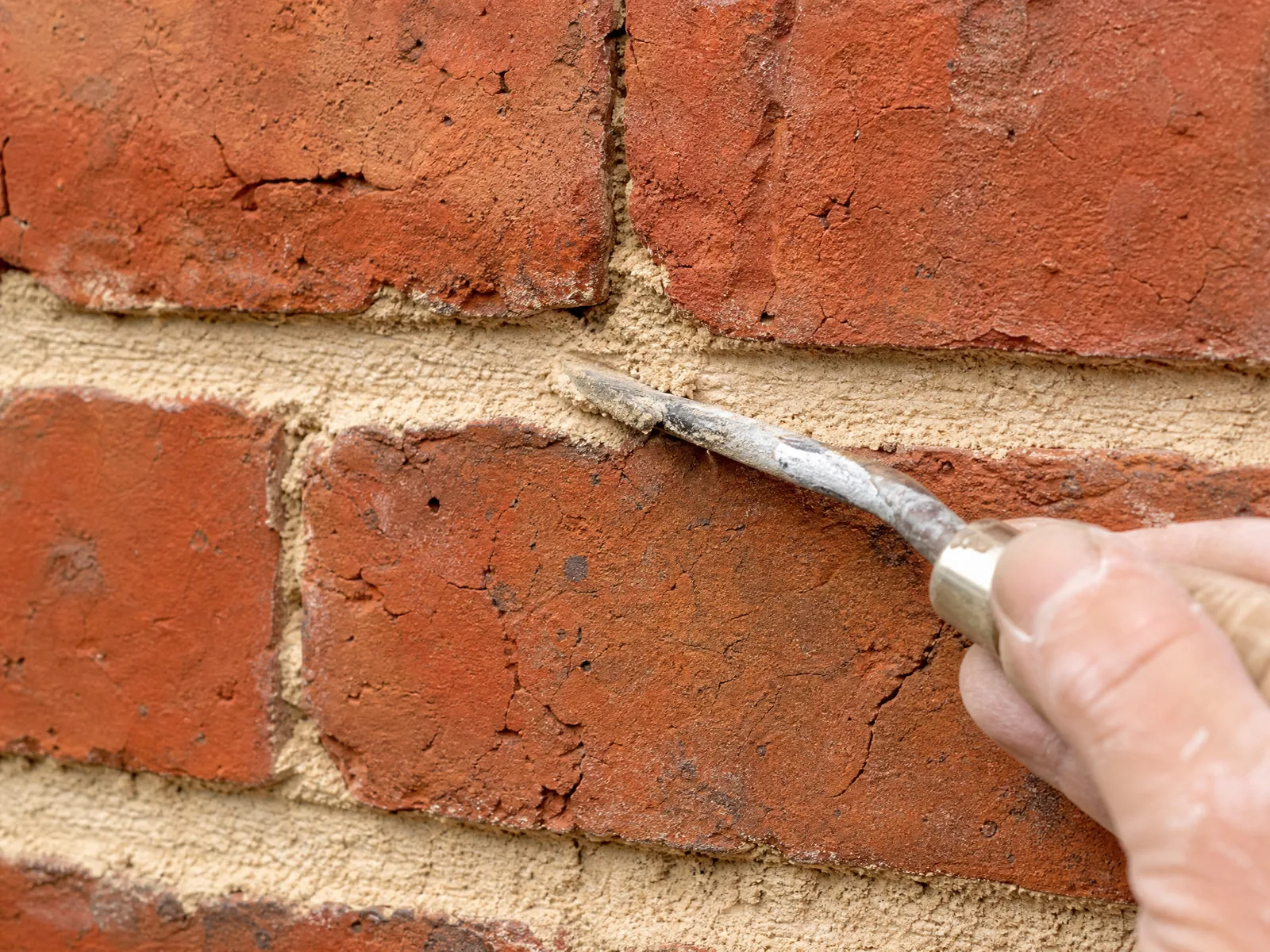
Discuss a Shropshire projectIllustrative historic masonry image — not a photograph of a verified Shropshire project.
Shrewsbury, Ludlow, Oswestry and the wider established locations below are service-coverage examples, not local offices. Materials, access and the appropriate extent of intervention depend on the individual building. The Shrewsbury page adds town-specific context; combined lime pointing and damaged-brick work has a separate regional route.
Listed-building repointing: national service informationHistoric England advises that comprehensive repointing is rarely necessary. Distinguish loose or failed joints from soft but sound historic mortar before disturbing the wall. Rainwater faults and other causes of deterioration may need attention; repointing is not a remote structural diagnosis or a guaranteed damp cure. Retain sound material wherever the condition and agreed repair basis allow.
Match appropriate surviving mortar and finish in relation to masonry and exposure, not a single county-wide recipe. Samples can demonstrate colour, texture and joint character to the team. SPAB cautions that hard cement removal should only proceed where trials show it can be achieved without further damage, and that fresh work needs protection from frost, rapid drying and rain.
The council-hosted 2001 Shrewsbury town-centre appraisal describes Georgian brick façades around Town Walls and Swan Hill, earlier timber-framed buildings refaced in brick, and varied sandstone details. It is useful character evidence rather than a current legal instruction. This mix reinforces the need to inspect the actual elevation; it is not a description of every Shropshire wall or a project portfolio claim.
Shropshire Council’s Historic Environment FAQs explain that character-affecting listed-building work may need consent and that some routine maintenance or like-for-like repairs may not; advice should be sought before starting. Its conservation guidance covers designation and Article 4 checks. For Telford and Wrekin addresses, use that authority’s route rather than assuming Shropshire Council decides all wider-county proposals.
Bring known designations, approval documents and any specification or heritage advice to the discussion. Contractor information on scope, samples and access can assist the appointed team, but formal advice, structural design and statutory decisions remain with the appropriate professionals and authority.
Identify the affected walls, front and rear access, occupied uses, available working areas and interfaces with adjacent repairs. A historic street, estate courtyard or institutional building can raise different sequencing questions. Agree these against the actual site and programme; do not assume a standard access arrangement or promise a fixed completion period.
A project-team workstream
The extent of failed joints, prior repair, local fabric loss and the surrounding masonry should be understood before a wide treatment is proposed.
A repair-led scope seeks to keep sound historic material in place while focusing intervention where it is genuinely needed.
Photographs, drawings, surveys and known approvals give a more informed basis for discussing a specialist masonry package.
Masonry scopes we discuss
Project case-study evidence
The currently published case study is based in Knutsford, Cheshire. It is included as a transparent example of the repair-led process and documented outcome, not as a claim that the work took place in Shropshire.
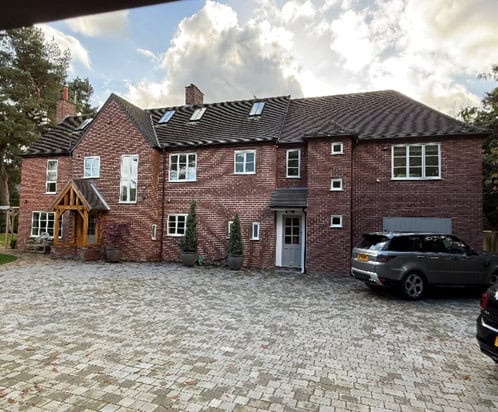
A front-elevation restoration that brought visual coherence back to historic brickwork through a carefully sequenced combination of cleaning, colour matching and repointing.
View detailed case studyFuture Shropshire project packs
Frequently asked questions
The contractor contribution is practical and project-focused. Consent decisions, legal matters and formal heritage advice remain with the appropriate authority and appointed professionals.
We can discuss the affected masonry, materials, access, sample panels and delivery considerations. The formal consent route and heritage advice should be confirmed with the appropriate authority and appointed professionals.
Not necessarily. The appropriate extent of intervention follows the condition of the individual wall and the agreed project objective. Sound historic mortar may be retained where appropriate.
Commercial, estate, institutional and professionally led projects involving listed or historic masonry, particularly where a defined repair, repointing or restoration package is being planned.
Independent context, not authority endorsement. Check the individual property and proposal before work starts.
Share the building, location, scope and available project information for a specialist initial discussion.
Related information
Explore the compatible-repair approach.
ExploreRead the historic-masonry decision framework.
ExploreUse the framework for local fabric decisions.
ExplorePractical contractor information for your appointed advisers; not a statutory approval service.
ExploreA concise answer
Grade 2 Listed Pointing provides repointing in Shropshire for listed and historic brick and stone masonry. We discuss repair-led packages with commercial owners, estate teams and appointed professionals, focusing on failed joints and retaining sound historic material. Start with the address, elevation photographs and available survey or consent information. Shrewsbury, Ludlow, Oswestry and the wider established locations below are service-coverage examples, not local offices. Materials, access and the appropriate extent of intervention depend on the individual building. The Shrewsbury page adds town-specific context; combined lime pointing and damaged-brick work has a separate regional route.