
Shrewsbury · Shropshire service coverage
Repointing in Shrewsbury for Listed and Historic Buildings
Grade 2 Listed Pointing provides repointing in Shrewsbury for listed and historic masonry within its Shropshire coverage. We help commercial owners, building managers and appointed teams discuss failed joints, retained fabric and sample-led repair scopes. Share the affected elevations, exact location and available survey or consent information for an initial discussion; this page does not claim a Shrewsbury office.
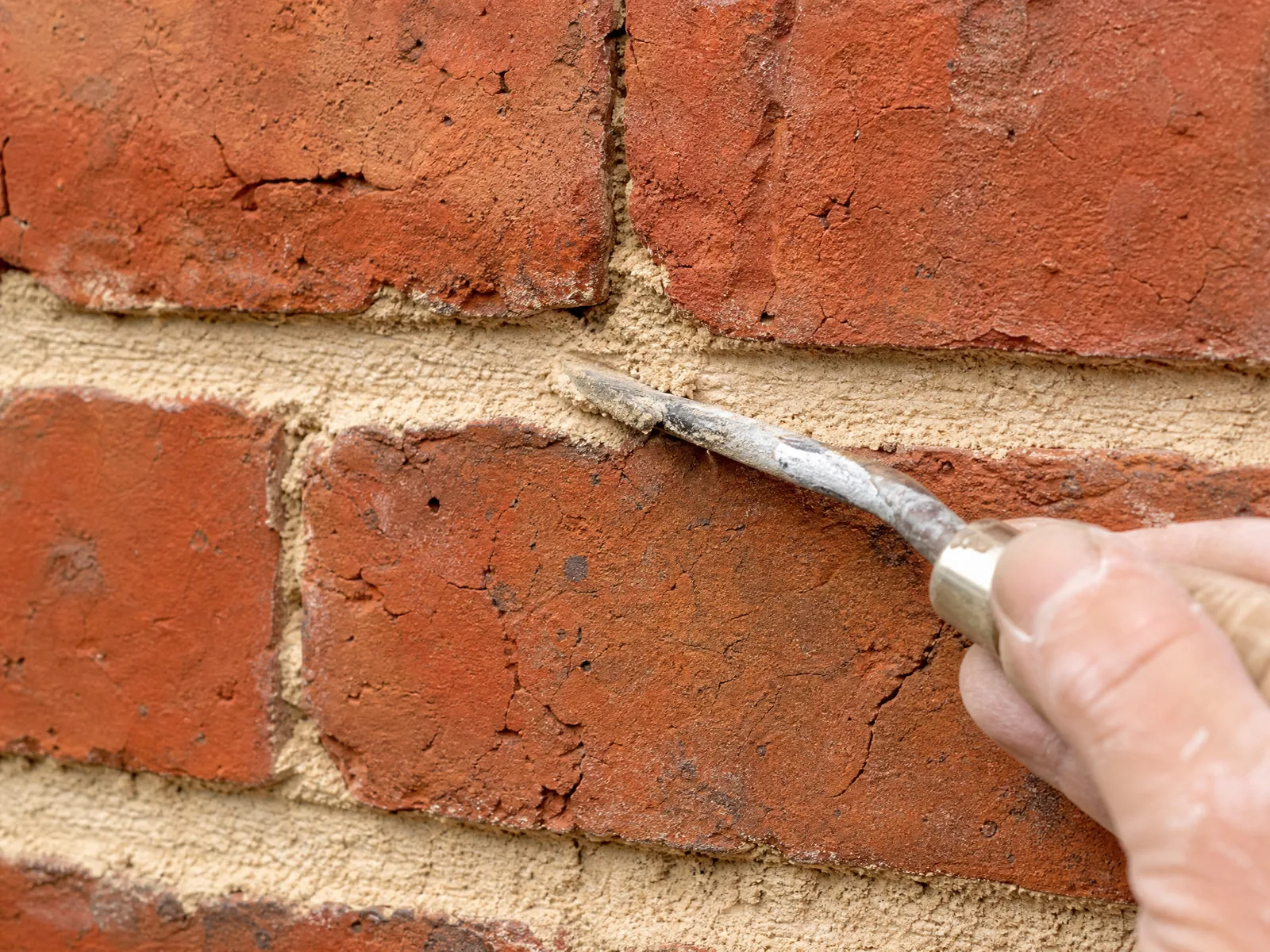
Discuss a Shrewsbury projectIllustrative historic masonry image — not a photograph of a Shrewsbury project.
Commercial and project-team repointing scopes in Shrewsbury
A Shrewsbury package should begin with the actual walls, repair objective and use of the premises. A street frontage, rear elevation or courtyard detail may need different sequencing and protection. Identify what is within the repointing instruction and what remains with separate cleaning, stone repair, roof or structural work, rather than asking for a uniform restoration of the whole building.
Owners, estates and professional teams can bring drawings, surveys and schedules to discuss a deliverable contractor workstream. The wider Shropshire pillar remains the county coverage route. Where failed joints and damaged bricks need coordinated repair, the existing combined-service child explains that package without duplicating the town page’s local access and consent questions.
Brick façades, sandstone details and retained historic fabric
The council-hosted September 2001 town-centre appraisal describes Georgian brick façades around Town Walls and Swan Hill, earlier timber-framed buildings refaced in brick and red-pink sandstone including Grinshill stone. It also distinguishes orange-red Georgian from darker Ruabon Victorian brickwork. This is documented character context, not a description of every wall or a current legal instruction.
Mixed fabric makes inspection of the actual elevation important. Review surviving mortar, joint finish, previous repairs and delicate brick or stone edges before selecting intervention. Historic England advises retaining sound mortar rather than comprehensive replacement. No town-wide lime mix follows from the appraisal, and softness alone does not establish failure. Hard cement removal needs trials demonstrating that further masonry damage can be avoided.
Access and sequencing for occupied historic buildings
The appraisal identifies Shrewsbury’s network of shuts and passages. That gives a useful reason to ask about front and rear access, courtyards and routes shared with neighbouring premises; it does not prove that a particular project has restricted access. Supply photographs or plans showing the proposed work areas and how occupants, deliveries or pedestrians use them.
Discuss occupation, access providers, adjacent fabric and interfaces with rainwater repairs or cleaning before setting a programme. Where appropriate, samples can compare colour, aggregate and joint character in the real wall. Review responsibilities and weather protection need agreement, especially around rain, frost or rapid drying. Neither a sample nor a town address guarantees approval, a standard working method or a fixed duration.
Listed-building and conservation-area checks in Shrewsbury
Shropshire Council’s Historic Environment FAQs say work altering a listed building’s character or significance may require consent; some routine maintenance and like-for-like repairs may not, but advice should be sought before starting. Its conservation guidance explains designation checks and Article 4 controls. Confirm the specific property and proposed mortar or finish rather than assuming a conservation-area address settles the matter.
Statutory listing is separate from area designation. Available approval documents, drawings and professional advice can help define the intended work and any review conditions. We can discuss practical scope and material information for the appointed team; formal heritage advice, structural design and statutory decisions remain with the appropriate professionals and authority. Using lime does not itself establish that work is exempt.
What we need to discuss your Shrewsbury project
Send the exact address, overall elevation and joint close-up photographs, intended repair areas, known designations and available survey or specification. Explain occupation, passage or courtyard access, adjacent work and provisional programme. Useful initial information helps identify questions for inspection and the appointed team; it is not a promise of remote structural diagnosis, consent approval or a quotation from images alone.
The published Knutsford case study is Cheshire historic residential masonry evidence, not a Shrewsbury project or proof of listed status. It offers a transparently located before-and-after process example. Any future local case study needs cleared imagery, verified location, actual scope and accurate outcome information before publication; no named Shrewsbury building is presented as our commission here.
Genuine regional project evidence · Cheshire
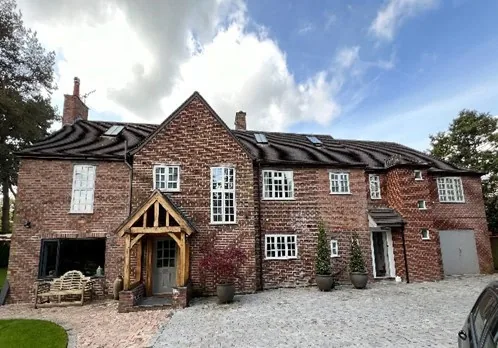
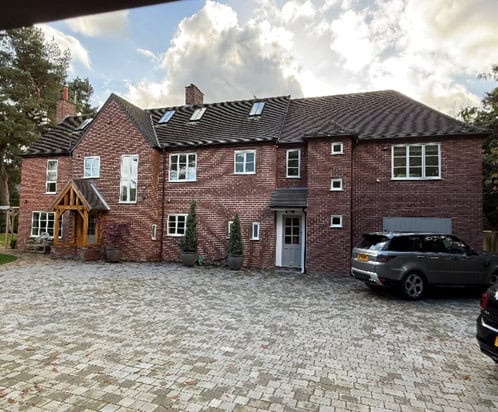
Knutsford, Cheshire: before and after
Published historic residential masonry evidence, not a Shrewsbury project. The record shows cleaning, colour matching and repointing; it does not establish statutory listing, a commercial commission or consent approval.
Frequently asked questions
Shrewsbury repointing questions
Do you have an office in Shrewsbury?
This page describes established Shrewsbury service coverage within Shropshire, not a local office. Provide the building and proposed scope to discuss suitability.
Does a conservation-area location automatically require repointing permission?
Do not assume permission is required or that work is exempt. Check the property’s designation, any Article 4 controls and proposed changes with Shropshire Council; listed-building protection is a separate consideration.
What should a commercial project team send first?
Send the address, wall and joint photographs, intended scope, known listing or consent information and access or occupation constraints. Survey notes, drawings and specifications can make the initial discussion more useful.
Independent guidance
Official sources and repair advice
Context and signposting, not council endorsement. Check the property and proposal with the appropriate authority before work.
- Shropshire Council: Historic Environment FAQs (opens in a new tab)
- Shropshire Council: Conservation areas and Article 4 controls (opens in a new tab)
- Shrewsbury Town Centre Conservation Area Appraisal (2001) (opens in a new tab)
- Historic England: Repointing Brick and Stone Walls (opens in a new tab)
- Historic England: Listed Building Consent (Advice Note 16) (opens in a new tab)
- SPAB: Repointing (opens in a new tab)
Discuss a Shrewsbury repointing package
Send the address, affected elevations, close-up photographs, available survey or consent information and access constraints to start a focused discussion.
Related information
Parent coverage, specialist services and consent guidance
Repointing across Shropshire
Return to the parent regional coverage and commissioning page.
ExploreRepointing in Shropshire with brick repair
Explore the combined lime-joint and damaged-brick workstream.
ExploreListed-building repointing
National service information on repair scope and project roles.
ExploreLime pointing
Read the joint preparation, finish and protection considerations.
ExploreHistoric brick repair
Consider local unit repair and retention rather than automatic replacement.
ExploreLime mortar sample panels
Understand review points and useful site records.
ExploreMasonry project and consent information
Practical contractor support for your appointed advisers, not statutory approval.
ExploreDoes repointing need listed-building consent?
Read England-specific questions to check before work begins.
ExploreKnutsford, Cheshire project evidence
Published historic residential before-and-after evidence, not a Shrewsbury project.
ExploreA concise answer
How can I discuss repointing in Shrewsbury?
Grade 2 Listed Pointing provides repointing in Shrewsbury for listed and historic masonry within its Shropshire coverage. We help commercial owners, building managers and appointed teams discuss failed joints, retained fabric and sample-led repair scopes. Share the affected elevations, exact location and available survey or consent information for an initial discussion; this page does not claim a Shrewsbury office.