
Start with the substrate
Brick, stone, mortar and surface deposits need to be understood before a cleaning method is selected.
Surface care and project sequencing
Carefully selected masonry-cleaning support for listed and historic buildings, guided by condition, test areas, substrate protection and coordination with repair work.
Discuss the proposed scopeCleaning historic masonry is not a standardised cosmetic process. The appearance of a surface can be affected by soiling, biological growth, coatings, previous interventions and the condition of the brick or stone beneath. The appropriate method starts with understanding the surface and the required outcome.
Grade 2 Listed Pointing helps project teams consider cleaning as part of an integrated masonry workstream. Test areas, substrate protection, repair sequencing and review criteria are considered before a wider approach is agreed.
How the work is approached
Brick, stone, mortar and surface deposits need to be understood before a cleaning method is selected.
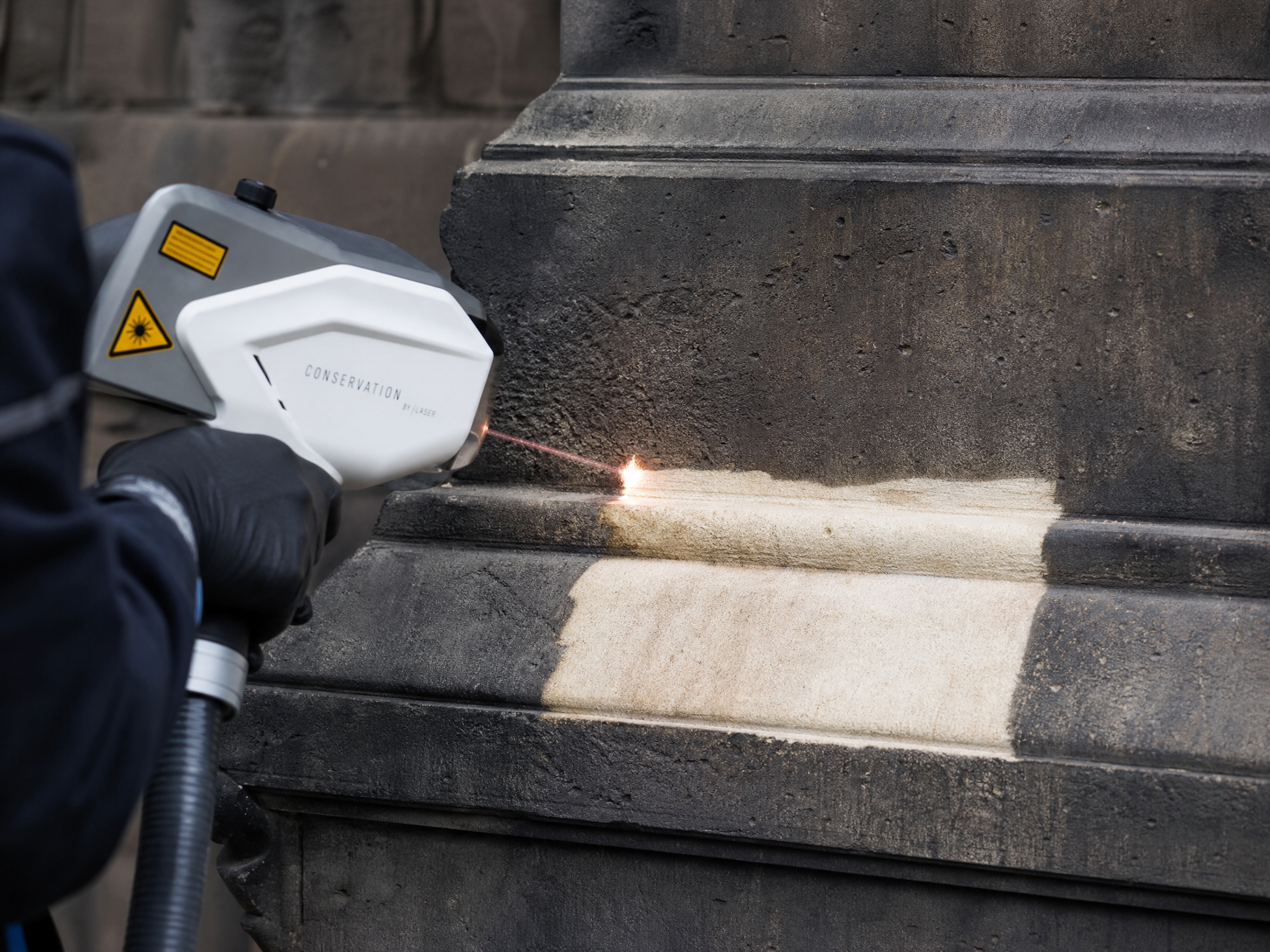
A controlled sample can help the team assess visual change, substrate response and the proposed stopping point.
Cleaning can affect how repairs, colour balancing, repointing and protective measures are sequenced.
The desired result should be defined carefully so that the objective is appropriate to the building rather than a uniform appearance.
For project teams
Frequently asked questions
No. The appropriate method depends on the substrate, deposits, prior treatments, condition and the agreed result. A test area can be useful before wider work is considered.
The sequence depends on the condition and project objective. Cleaning, local repair, colour work and repointing should be planned as related parts of the masonry workstream.
It can, depending on the building and proposed work. The local planning authority should confirm whether consent is required for the specific proposal.
Related information
Read the pre-start questions for a historic masonry cleaning scope.
ExploreSee how cleaning interfaces with localised fabric repair.
ExploreExplore a recorded sequence of cleaning, colour matching and repointing.
ExploreView recorded brick cleaning and descaling within a heritage bridge scope.
Explore