
Masonry care
Choosing Cleaning Methods for Historic Masonry
Choose historic masonry cleaning methods through substrate assessment, justified need, representative trials and coordination with repairs and consent.
Last reviewed:
Hero image: AI-generated, non-local illustration; not a photograph of our work.
Select historic masonry cleaning methods only after assessing the substrate, deposits, condition and justified outcome. A representative on-site trial should test the proposed approach; cleaning is not always necessary.
This guide provides general project information. It is not legal, planning, structural-engineering or formal heritage-consultancy advice. Confirm project-specific requirements with the relevant authority and appointed advisers.
Understand the surface before choosing a method
Cleaning can alter the appearance of historic masonry quickly. The decision should be led by the substrate, the type of deposit or coating, the condition of the surface and the outcome that the project team is trying to achieve.
Brick, stone, mortar and previous repair materials can respond differently to cleaning. The first question is therefore what is present on the surface and what condition the underlying substrate is in.
The presence of staining or growth does not by itself determine the method. Previous coatings, friable faces, open joints and local damage may change the order of work.
- Substrate type and condition
- Deposits, growth, coatings and staining
- Previous repair and treatment history
- The desired stopping point and visual outcome
Why test areas matter
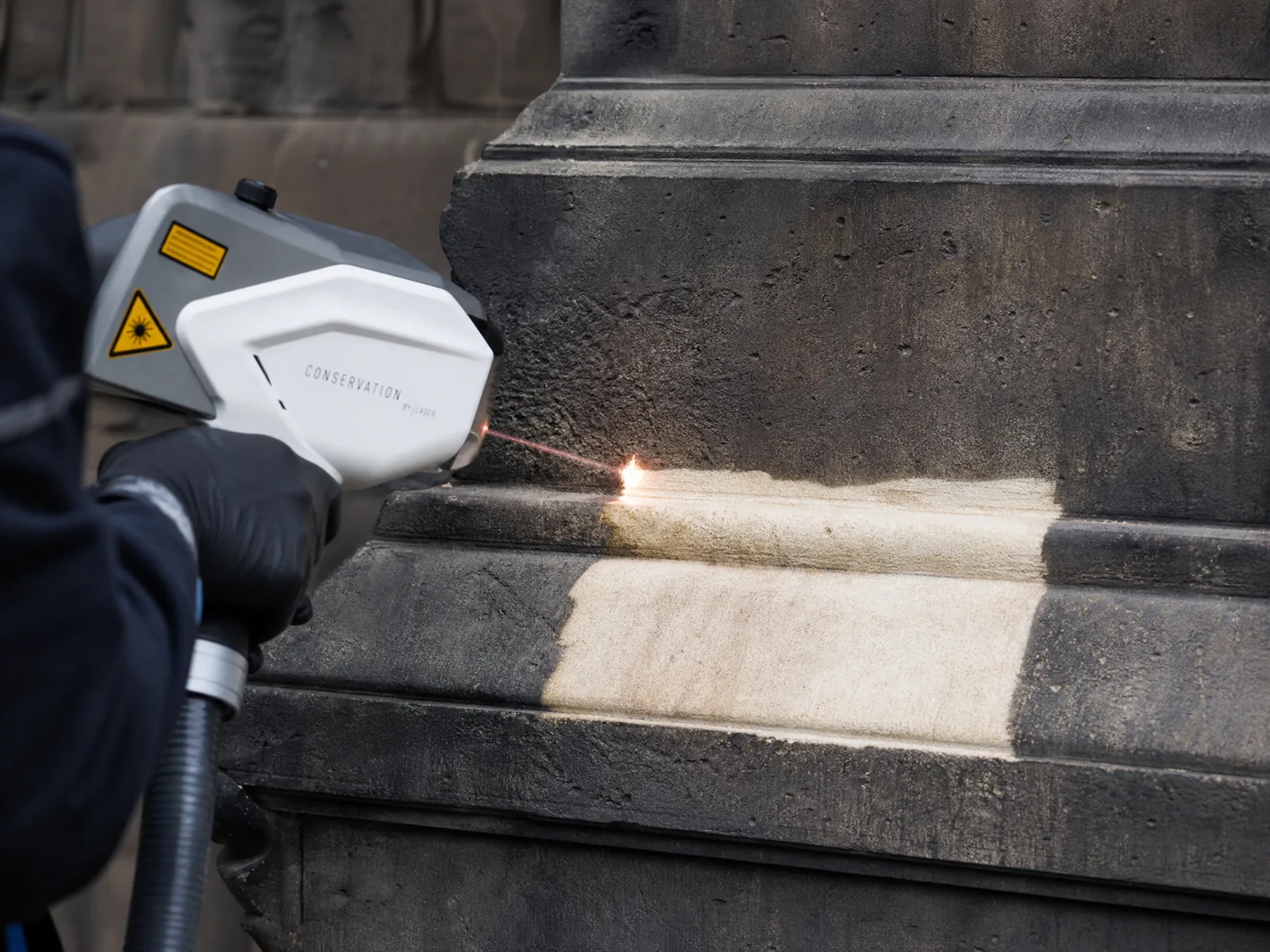
A controlled trial area can allow the team to review the proposed method, visual change and substrate response before wider cleaning is considered.
The test should be evaluated against an agreed outcome rather than a general expectation of making a historic façade look new.
- Location and size of the test
- Method and exposure duration
- Effect on mortar, brick and stone
- Review and approval process
Sequence cleaning with repair work
Cleaning can reveal condition that is not visible at the outset, and it can affect how brick repair, colour work and repointing should be sequenced.
The masonry workstream should make those interfaces explicit before the contractor mobilises.
- Heritage masonry cleaning
Explore the cleaning service and project-delivery approach.
Common questions
Points to clarify for your building.
Can historic masonry be pressure washed?
Do not assume that pressure washing is suitable. High-pressure over-cleaning can roughen or damage historic masonry. Select and trial the method against the actual substrate, deposits and agreed outcome before wider work.
Does cleaning need Listed Building Consent?
It can, depending on the listed building and proposed method. Confirm the requirement with the relevant local planning authority.
Need to discuss a project-specific masonry scope?
Share the building, proposed work and project context. We can help identify the practical information needed for a useful initial discussion.
Related information