
Birmingham · West Midlands service coverage
Repointing in Birmingham for Listed and Historic Buildings
Grade 2 Listed Pointing provides repointing in Birmingham for listed and historic buildings within its West Midlands coverage. We discuss repair-led mortar scopes with commercial owners, architects and appointed teams, focusing on retained fabric, materials, samples and access. Share the address, photographs and approval context; formal heritage advice and consent decisions remain with the appropriate professionals and authority.
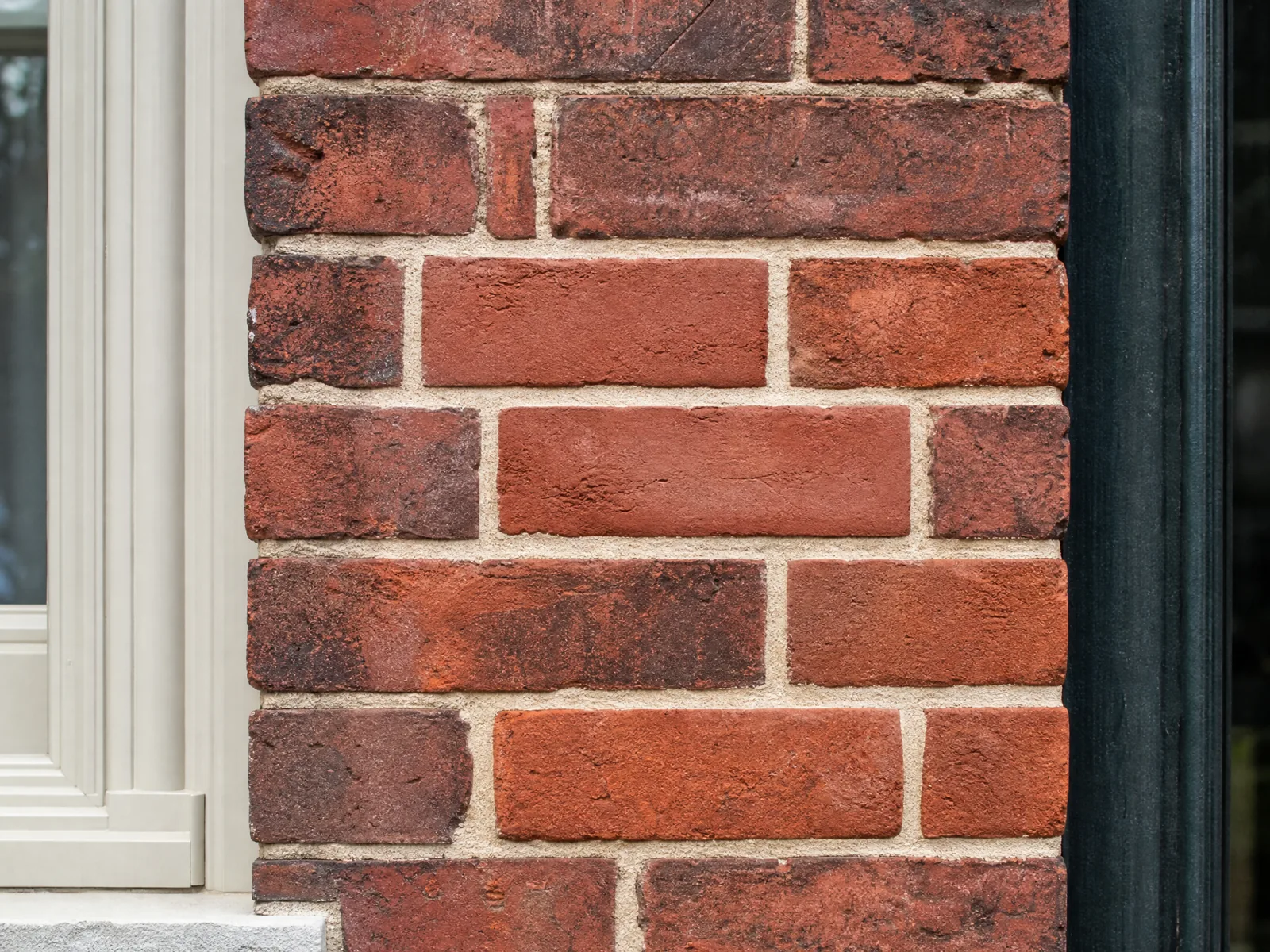
Discuss a Birmingham projectIllustrative historic masonry image — not a photograph of a Birmingham project.
Commercial heritage repointing in Birmingham
This page addresses defined historic-masonry workstreams rather than a general domestic makeover. Identify which elevations, joints or details need attention, how the building is used and what wider works are planned. Repointing renews mortar at the exposed joint face; local brick or stone repair and engineering-led work are distinct tasks, even where they share access or sequencing.
Commercial owners, building managers and appointed designers can bring existing surveys and specifications to discuss practical scope boundaries. Birmingham is already within the published West Midlands coverage, not a seventh region or a new office. Suitability depends on the actual site, condition, access and programme, rather than a promise to accept every city enquiry.
Jewellery Quarter buildings: context, not a project claim
Birmingham Council describes the Jewellery Quarter as its largest surviving group of Victorian and early twentieth-century jewellery workshops. This provides a genuinely commercial heritage setting for considering retained masonry, joint appearance and occupied-building coordination. The council also identifies Bournville as a late nineteenth-century model village, illustrating that city conservation settings are not all the same.
These are contextual examples only. We do not claim a workshop commission, landmark client, universal mortar composition or a defect diagnosis from the area name. Check the particular construction and alteration history, including previous pointing and adjoining units. Conservation mapping helps locate an area; it does not establish that every building within it is statutorily listed.
Define the repair scope before replacing mortar
Historic England advises that comprehensive repointing is rarely necessary and sound historic mortar should remain undisturbed. Loose joints, isolated erosion or previous patches should be assessed alongside masonry edges and rainwater defects. A uniform new appearance is not sufficient justification for removing serviceable historic work, and soft mortar alone need not be defective.
Consider mortar and adjacent brick condition together without assuming every damaged unit needs replacement. The West Midlands combined-service page gives more detail on that repair workstream. Hard cement removal should be trial-led and proceed only where further fabric damage can be avoided. Repointing alone is not a guaranteed treatment for damp, cracking or structural movement; those issues may need wider professional review.
Mortar samples, finish and site coordination
Appropriate surviving mortar, brick or stone condition and exposure guide compatibility. Where useful, a sample panel can show colour, texture, joint profile and finish in the actual wall. Agree who reviews and accepts it with the appointed team and any consent conditions. The city name is not a mix specification, preparation depth or guarantee of a standard curing period.
For occupied workshops or other commercial premises, explain entrances, public routes, neighbouring uses, access-provider requirements and adjacent trades. Discuss protection against frost, rain and rapid drying alongside sequencing and records. These are matters to agree for the actual site, not claims of out-of-hours availability, highway permission, specialist-equipment accreditation or a fixed programme.
Birmingham consent checks and evidence for your enquiry
Use Birmingham City Council’s conservation mapping and listed-building application checklist for properties within its remit. The checklist includes photographs, drawings and heritage information where required; it does not mean the contractor supplies formal heritage statements. In England, character-affecting listed-building work may require consent. Check the exact proposal with the council and appointed advisers; lime mortar is not an automatic exemption.
Send the address, affected elevations, close-up images, known status or approvals, specification, access and programme information. The published before-and-after case study is from Knutsford, Cheshire, and concerns historic residential masonry. It is not Birmingham local project proof, a listed commercial commission or council approval evidence. A focused enquiry and accurately labelled regional evidence are more useful than an invented city portfolio.
Genuine regional project evidence · Cheshire
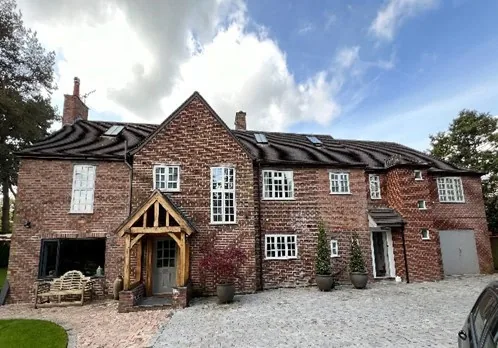
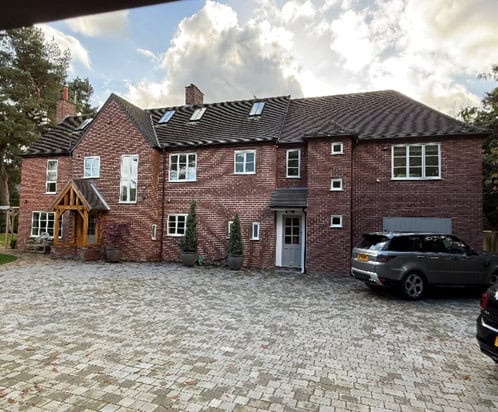
Knutsford, Cheshire: before and after
Published historic residential masonry evidence, not a Birmingham project. The record shows cleaning, colour matching and repointing; it does not establish statutory listing, a commercial commission or consent approval.
Frequently asked questions
Birmingham repointing questions
Do you discuss commercial listed-building work in Birmingham?
Birmingham is within the established West Midlands coverage for listed and historic masonry packages. Identify the building and work required so suitability and package boundaries can be discussed.
Is every building in Birmingham’s conservation areas listed?
No. Area protection and statutory building listing are different designations. Check the property’s actual status and the relevant authority’s requirements before specifying work.
Does lime mortar mean repointing will not need consent?
No. Requirements depend on the proposed work and its effect on special character, not the mortar label alone. Check the specific extent, materials and finish with the relevant authority before work starts.
Independent guidance
Official sources and repair advice
Context and signposting, not council endorsement. Check the property and proposal with the appropriate authority before work.
- Birmingham City Council: Conservation areas and mapping (opens in a new tab)
- Birmingham City Council: Listed building consent application checklist (opens in a new tab)
- Historic England: Repointing Brick and Stone Walls (opens in a new tab)
- Historic England: Listed Building Consent (Advice Note 16) (opens in a new tab)
- SPAB: Repointing (opens in a new tab)
Discuss a Birmingham repointing package
Send the address, affected elevations, close-up photographs, available survey or consent information and access constraints to start a focused discussion.
Related information
Parent coverage, specialist services and consent guidance
Repointing across West Midlands
Return to the parent regional coverage and commissioning page.
ExploreRepointing in West Midlands with brick repair
Explore the combined lime-joint and damaged-brick workstream.
ExploreListed-building repointing
National service information on repair scope and project roles.
ExploreLime pointing
Read the joint preparation, finish and protection considerations.
ExploreHistoric brick repair
Consider local unit repair and retention rather than automatic replacement.
ExploreLime mortar sample panels
Understand review points and useful site records.
ExploreMasonry project and consent information
Practical contractor support for your appointed advisers, not statutory approval.
ExploreDoes repointing need listed-building consent?
Read England-specific questions to check before work begins.
ExploreKnutsford, Cheshire project evidence
Published historic residential before-and-after evidence, not a Birmingham project.
ExploreA concise answer
How can I discuss repointing in Birmingham?
Grade 2 Listed Pointing provides repointing in Birmingham for listed and historic buildings within its West Midlands coverage. We discuss repair-led mortar scopes with commercial owners, architects and appointed teams, focusing on retained fabric, materials, samples and access. Share the address, photographs and approval context; formal heritage advice and consent decisions remain with the appropriate professionals and authority.