
Project delivery
After Listed Building Consent: Preparing Masonry Work for Site
Move from a listed building consent decision into controlled repointing and repair delivery, with approved details, conditions, samples, site records and change management.
A consent decision is the start of a controlled delivery stage, not the point at which the project team stops reading the paperwork. Before mobilisation, approved drawings, conditions, sample requirements, repair details and site responsibilities need to be translated into a practical masonry work package.
This guide provides general project information. It is not legal, planning, structural-engineering or formal heritage-consultancy advice. Confirm project-specific requirements with the relevant authority and appointed advisers.
Read the decision notice with the repair scope
Set the consent decision, approved information and any conditions alongside the current scope before materials are ordered or access is installed. Confirm which drawings, schedules, samples and method information form the approved basis for the work.
Do not assume that a general consent automatically approves every later material choice or local repair detail. The relevant project team should identify any condition that needs action, evidence or approval before the related work begins.
- Decision notice and approved documents
- Conditions and their required timing
- Material, sample and finish references
- Named responsibilities for review and sign-off
Turn approved detail into a site-ready package
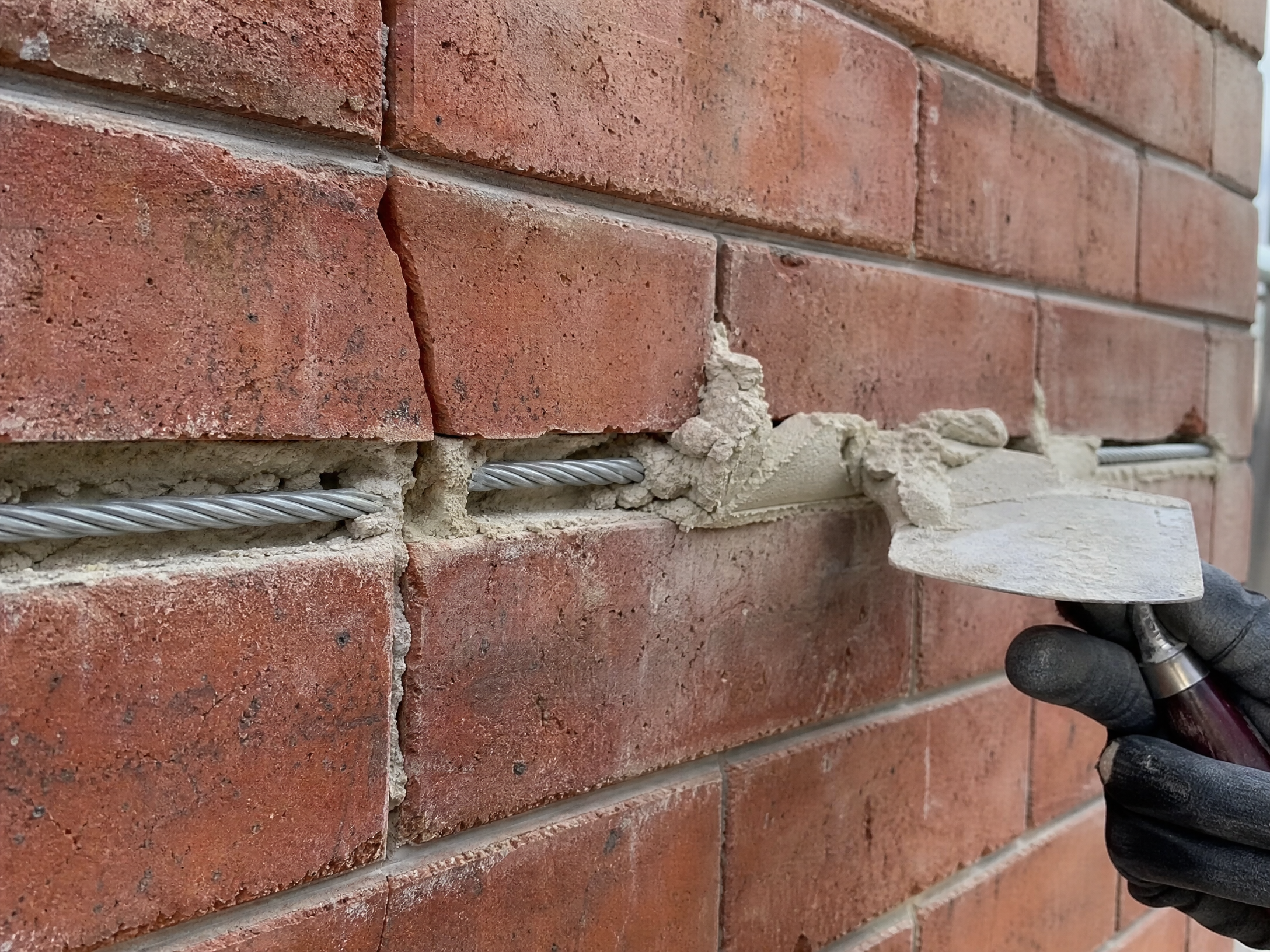
A site-ready masonry package makes the approved intervention visible to the people undertaking and supervising the work. It should identify the affected locations, retained fabric, repair thresholds, materials, joint profiles, sample references, access constraints and protection arrangements.
This is also the point to coordinate brick repair, repointing, cleaning, rainwater work and any structural interfaces. A clear sequence helps avoid a later trade undoing an agreed repair or exposing fabric without an agreed response.
- Marked-up locations and repair types
- Materials, samples and workmanship references
- Access, protection, curing and weather considerations
- Interfaces with other work packages
Control discoveries and proposed changes
Historic fabric can reveal conditions that were not visible before access, preparation or opening-up. Record the finding with photographs and location information, then use the agreed project route to review it before extending the intervention.
The same approach applies to a proposed material change, wider repointing extent, additional brick replacement or a different joint finish. The contractor can identify and document the practical issue, but changes should not be treated as self-authorising.
- Photographs and records of new condition
- Pause point before work is extended
- Review by the relevant project team
- Authority engagement where the consent position may be affected
Maintain a useful record through handover
Keep agreed samples, material information, location records and progress photographs together with the project file. These records can help the client and future teams understand what was retained, repaired or replaced.
A concise handover record is especially useful where repair was localised, where materials were selected to match existing fabric, or where future maintenance needs to distinguish recent work from retained historic masonry.
- Approved sample and material references
- Photographs before, during and after work
- Locations of localised repair or replacement
- Outstanding maintenance or monitoring information
Common questions
Points to clarify for your building.
Can a different mortar or joint finish be selected once work has started?
Do not assume that a change is automatically acceptable. Review the proposed difference against the decision notice, approved details, conditions and project roles before adopting it on site. The relevant authority and appointed team should guide the route where approval may be affected.
What happens if more failed masonry is found after access is installed?
Record the condition, its location and the proposed response, then review it before extending the intervention. This helps the team distinguish an evidence-led adjustment from an unapproved expansion of the scope.
What is the contractor’s role after consent is issued?
A specialist contractor can deliver the agreed work, provide practical method and material information, prepare samples, record progress and flag site discoveries. Statutory, design and formal heritage decisions remain with the relevant authority and appointed professionals.
Need to discuss a project-specific masonry scope?
Share the building, proposed work and project context. We can help identify the practical information needed for a useful initial discussion.
Related information
Continue your project research
Consent process for repointing and repairs
Return to the full consent journey before mobilisation.
ExploreLime mortar sample panels
Create a usable material and finish reference for the site team.
ExplorePreparing a masonry repair scope
Coordinate the practical work package and delivery constraints.
Explore